Explore academic opportunities during the summer.
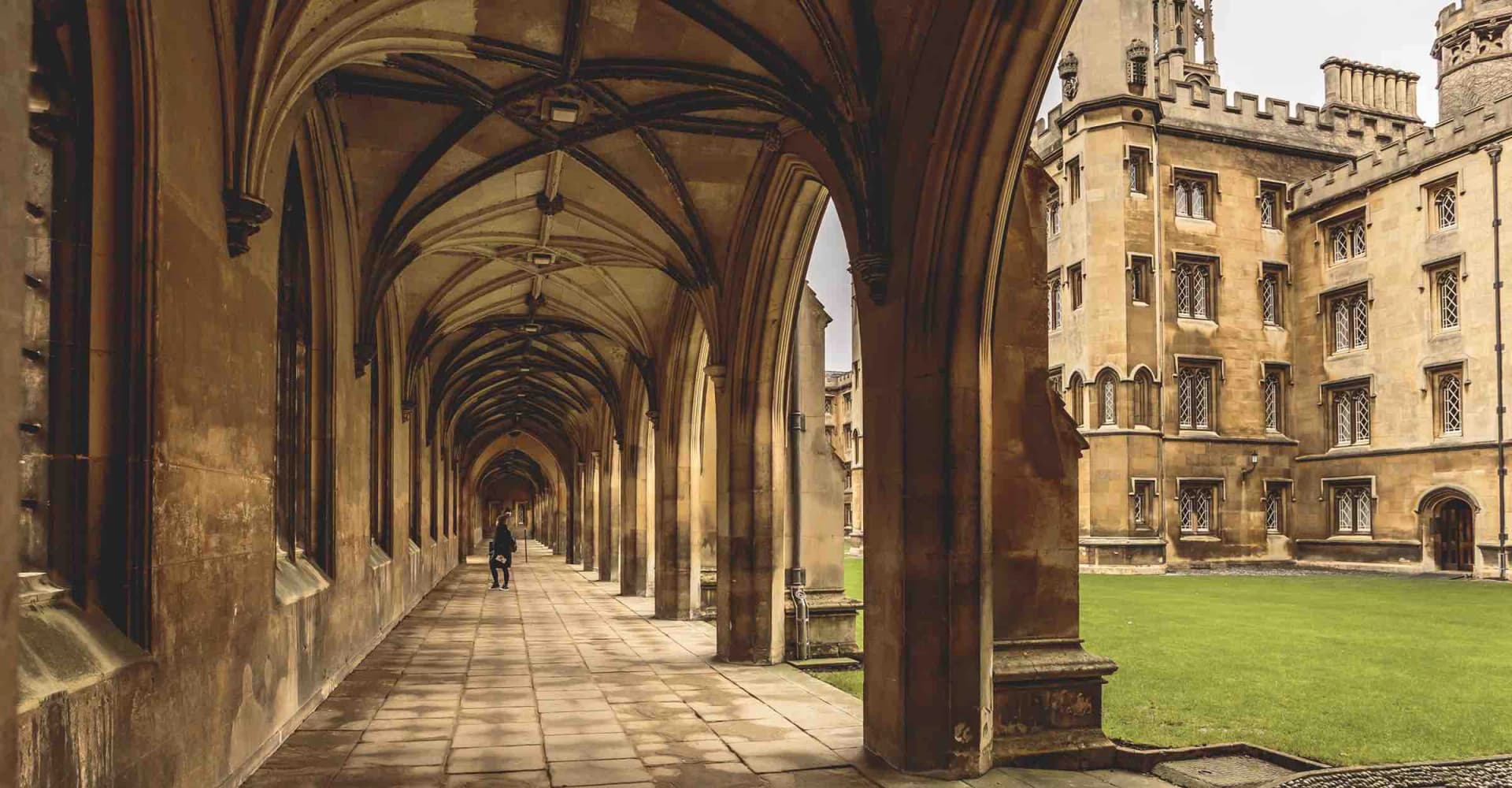
Explore UK summer courses in the 13–15 and 16–18 catalogue age bands, which overlap ages 14–18. Compare the exact published age range, subject, campus, dates and fees on each course page: some options accept only part of the 14–18 range. Check accommodation, supervision and what is included before shortlisting.
Choosing a summer school
Compare age requirements, campus locations, dates, duration and published fees. Check the subjects available and whether accommodation, meals and activities are included. Providers may hire university or school facilities independently; confirm who runs the programme and what the fee covers before applying.
No contact details needed to see your suggestions.
Prefer to browse all programmes?Choose up to two things that matter most.
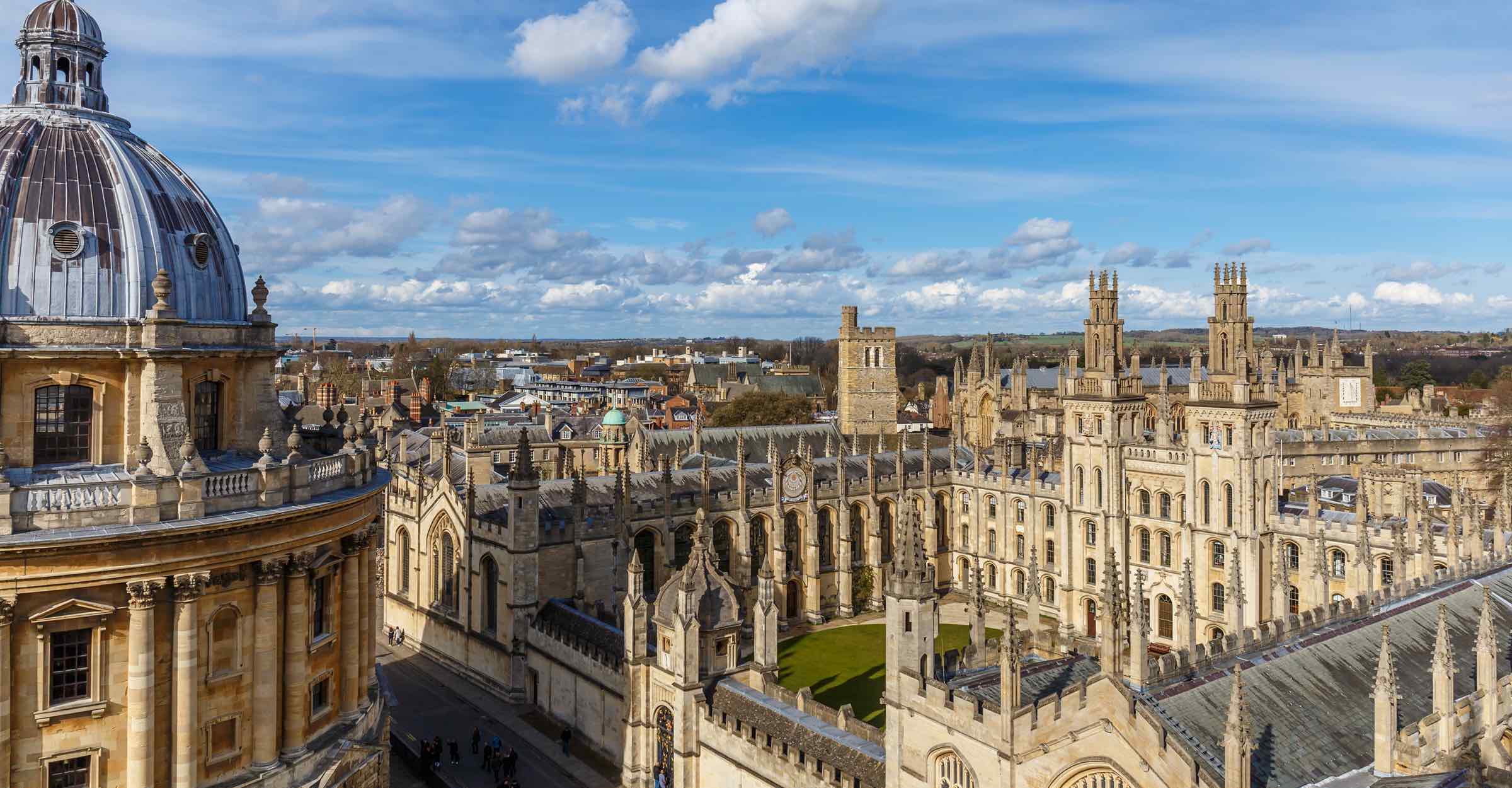

Live and study in a historic Oxford or Cambridge college this summer. Academy Royale International’s two-week academic summer schools give students aged 12 to 18 university-style teaching in more than 20 subjects, from medicine and law to AI and film.
View more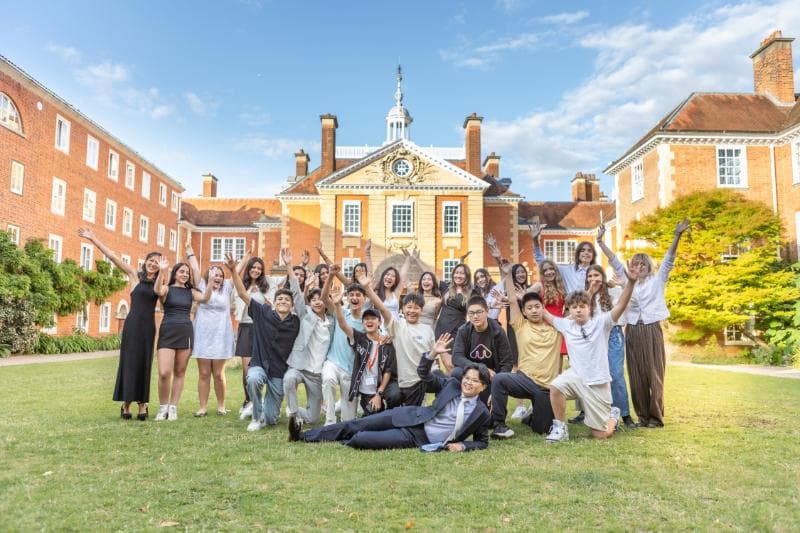

Authentic Oxford & Cambridge Experience by Atlas Summer Courses immerses high school students in diverse academic studies and cultural explorations at these historic universities.
View more

A transformative two-week summer programme for motivated students aged 15-18, built around the art of communication, storytelling, and public speaking.
View more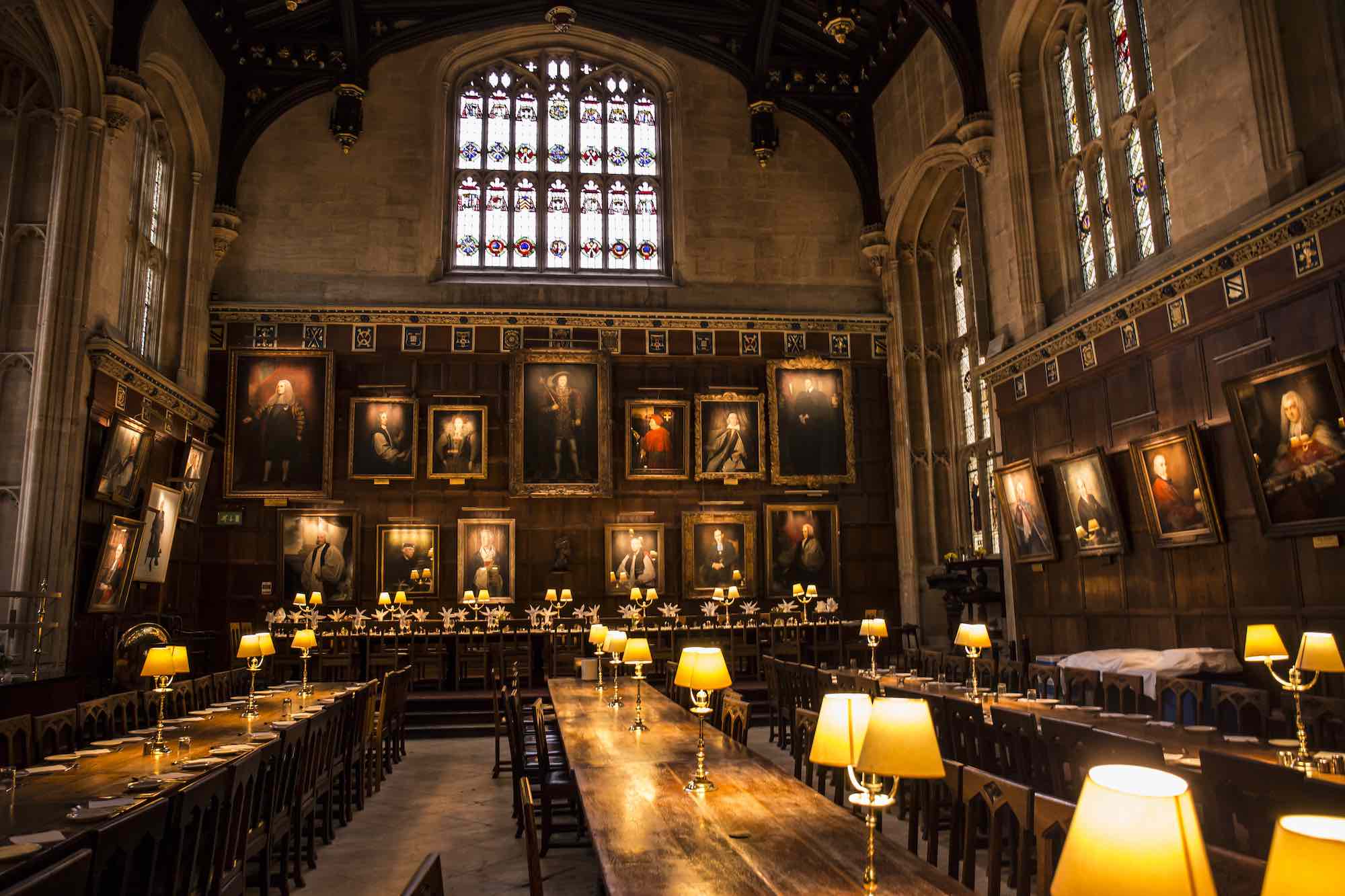

Oxford residential study for grades 10-12, available as one two-week session or a combined four-week program at Pembroke College.
View more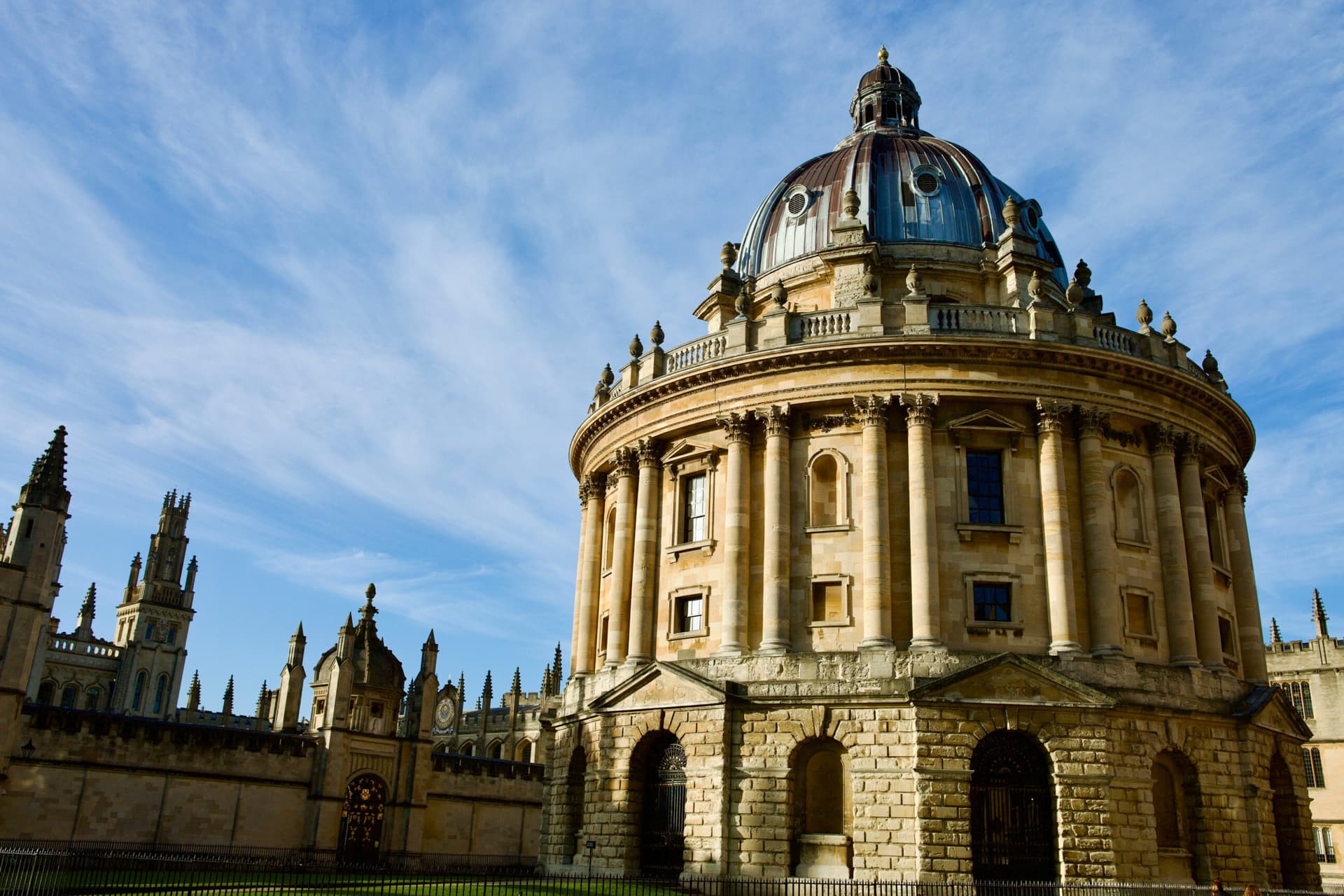

A pre-university summer programme in Oxford for students aged 15 to 17. Over two weeks, students study inside a University of Oxford college and learn how university teaching actually works.
View moreSummer programmes vary in content, rhythm and academic expectations. The right choice depends on subject fit, study intensity and student goals.
Summer schools in the UK often emphasize a dynamic and engaging teaching approach that moves beyond the traditional classroom setting. Curriculum design tends to incorporate practical applications of knowledge, fostering critical thinking and creativity. This contrasts with typical school provision, where the focus may lean more heavily on standardized assessments. Students can expect to delve into specialized topics, guided by experienced educators who encourage active participation and collaborative learning. Such an environment nurtures intellectual curiosity and provides students with invaluable academic skills.
The structure of summer programmes is generally characterized by a balanced rhythm of intensive study and interactive sessions. Classes often blend lectures with discussions and hands-on activities, creating a stimulating classroom atmosphere. Independent work is encouraged, allowing students to explore subjects at their own pace, fostering a sense of ownership over their learning. Overall, the experience is designed to be immersive, with opportunities for peer collaboration and mentorship from instructors. This combination promotes not only academic growth but also personal development and confidence-building.
Summer schools typically cater to high school students aged 14 to 18, providing a diverse range of learning opportunities suitable for this developmental stage. Participants can expect a curriculum that challenges their analytical and creative skills while also promoting social interaction among peers. This age group benefits from programmes that encourage deeper engagement with subjects, enabling them to prepare effectively for future academic and career pursuits.
UK summer schools offer a distinctive blend of academic rigor and cultural enrichment, setting them apart from traditional educational experiences. Unlike standard schooling, which may adhere to a more rigid curriculum, these programmes often provide a tailored approach that reflects contemporary issues and interests. The emphasis on interactive and experiential learning helps students to not only grasp complex concepts but also to appreciate the relevance of their studies in real-world contexts. This integration of academic and cultural elements cultivates a global perspective that is increasingly valuable in today’s interconnected society.
Compare current published courses by provider, campus, ages, dates and price.
| Course | Provider | Campuses | Ages | Dates | Price | Duration |
|---|---|---|---|---|---|---|
| Architecture | Academy Royale International | Oxford University Colleges, Cambridge University Colleges | 16-18 | 4 Jul – 17 Jul 2027 | £7,995 | 2 weeks |
| Architecture (13-15 years old) | Atlas Summer Courses | Oxford University Colleges | 13-15 | 27 Jun – 10 Jul 2027 | £5,495 – £9,995 per session | 14 days |
| Architecture & Design in New York for Ages 15-18 | Immerse Education | Barnard College | 15-18 | 27 Jun – 10 Jul 2027 | £7,495 | 2+ weeks |
| Advertising | Oxbridge Academic Programs | Peterhouse College, Cambridge, Cambridge University Colleges | 13-15 | 10 Jul – 23 Jul 2027 | See course | See course |
| Business: Mini-MBA™ at Earlscliffe | Summer Boarding Courses | Earlscliffe School | 15-17 | 28 Jun – 26 Jul 2027 | From £4,095 residential / £3,095 non-residential (2 weeks) | 2 or 4 weeks |
| Art (Elective) | ISSOS | St Andrews University | 13-18 | 30 Jun – 21 Jul 2027 | £7,900.00 | 3 weeks |
| AI, Computer Science & Digital Security | Oxbridge Scholars | Murray Edwards College, University of Cambridge, Queens' College, Cambridge | 14 - 17 | 4 Jul – 17 Jul 2027 | £5,988 per programme | 13 days |
| Business, Economics and Entrepreneurship for Ages 14-15 | Oxbridge Summer Scholars | Oxford University Colleges, Cambridge University Colleges | 14-15 | 6 Dec – 19 Dec 2026 | December: £6550 | July-August: £6950 | 2 weeks |
| Discover Business Academy | Oxford Scholastica Academy | Oxford University Colleges | 12-14 | 4 Jul – 17 Jul 2027 | £7,495 | 2 weeks |
| Architecture | Reach Cambridge | Cambridge University Colleges | 14-18 | 4 Jul – 31 Jul 2027 | £6,295.00 - £18,495.00 | 2, 4 or 6 weeks |
| Business, Entrepreneurship and Start-Ups | Sapphire Education | University of Bath | 14-18 | 4 Jul – 17 Jul 2027 | £4,500 | 2 weeks (13 nights) |
| AI & Innovation | Spark to Connect in Partnership with Saïd Business School | Oxford University Colleges, New College | 15–18 | 16 Jul – 29 Jul 2027 | £7,995 residential / £5,995 non-residential per 14-day LAB | 14 days |
Compare published summer schools in the uk for high school students (ages 14–18) by provider, campus, age range, dates and price. Fees are published summaries: check the currency, session length and accommodation inclusions on each programme page. Confirm exact age eligibility, availability and the teaching venue with the provider before booking.
| Programme | Provider | Campuses | Ages | Dates | From Price | Courses Available |
|---|---|---|---|---|---|---|
| World Leading Oxford & Cambridge Academic Summer Schools for Ages 12 to 18 Live and study in a historic Oxford or Cambridge college this summer. Academy Royale International’s two-week... | Academy Royale International | Oxford University Colleges, Cambridge University Colleges | 12-18 | 4 Jul – 14 Aug 2027 | £7,995 | 46 courses |
| Authentic Oxford & Cambridge Experience for Teens & Young Adults Authentic Oxford & Cambridge Experience by Atlas Summer Courses immerses high school students in diverse acade... | Atlas Summer Courses | Oxford University Colleges, St Hilda’s College | 13-24 | 27 Jun – 31 Jul 2027 | £5,495 – £9,995 | 53 courses |
| TED Summer School in London, New York, Singapore & Sydney A transformative two-week summer programme for motivated students aged 15-18, built around the art of communic... | Immerse Education | University College London, Barnard College | 15-18 | 14 Jun – 20 Aug 2027 | £5,995 – £7,495 | View options |
| The Oxford Tradition Summer School for Grades 10-12 Oxford residential study for grades 10-12, available as one two-week session or a combined four-week program a... | Oxbridge Academic Programs | Pembroke College, Oxford, Oxford University Colleges | 15-18 | 2 Jul – 30 Jul 2027 | $7,850 – $13,595 | 29 courses |
| SBC Oxford College Summer School A pre-university summer programme in Oxford for students aged 15 to 17. Over two weeks, students study inside... | Summer Boarding Courses | Oxford University Colleges | 15-17 | 5 Jul – 2 Aug 2027 | £3,495 – £6,295 | 2 courses |
| Inspirational Cambridge Summer School for Ages 13-18 ISSOS at Cambridge is based in the extensive and beautiful grounds of The University of Cambridge, one of the... | ISSOS | Cambridge University Colleges | 13-18 | 5 Jul – 5 Aug 2027 | £7,900 | 9 courses |
| Oxbridge Pre-University Taster Summer Programme 2027 An immersive Oxbridge Pre-University Taster Summer Programme combining university-level learning, practical pr... | Oxbridge Scholars | Queens' College, Cambridge, St Hilda’s College | 14 - 17 | 4 Jul – 31 Jul 2027 | £4,590 – £5,988 | 6 courses |
| Transformational Academic Summer Programme in Oxford Exceptional learning experience in Oxford, blending immersive academics with practical, real-world challenges. | Oxford Scholastica Academy | Oxford University Colleges, St Thomas’ Oxford | 12-18 | 4 Jul – 14 Aug 2027 | £6,995 – £13,690 | 12 courses |
| Inspiring Academic Summer Courses in Cambridge Transformative summer courses for teens, combining academic studies, cultural excursions, and growth opportuni... | Reach Cambridge | Cambridge University Colleges | 14-18 | 4 Jul – 14 Aug 2027 | £6,295 – £18,495 | 21 courses |
| Summer English, Leadership & STEM Programme for Juniors in Oxford The summer Juniors program offers English language learning, STEM exploration and leadership development for 9... | St Clare’s Oxford | Headington Rye Prep School | 9-15 | 11 Jul – 8 Aug 2027 | £2,220 – £5,355 | 4 courses |
Personal guidance
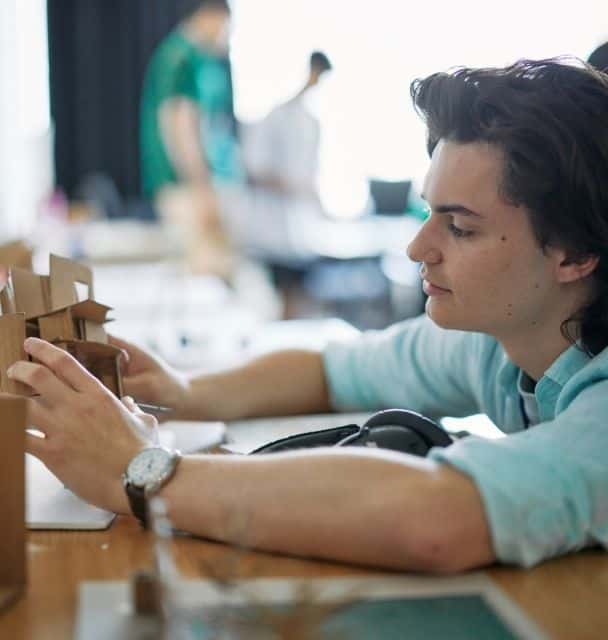
Academy Royale International's Architecture summer school gives students aged 16 to 18 two weeks of university-style architecture training in Oxford or Cambridge. You learn technical drawing, model making and design theory, and build a portfolio as you design a waste-free city for 2050. Since 2004, we've welcomed students from more than 175 countries to live and study in historic university colleges.
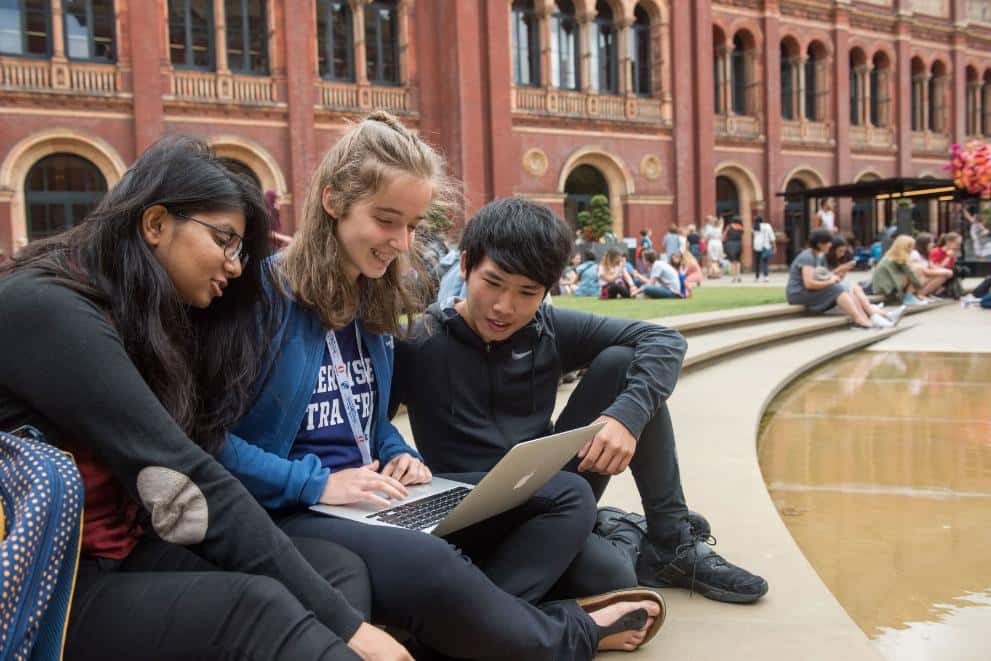
Architecture for ages 13–15 in Oxford, with guided discussion, interactive classes and practice tasks.


Discover the principles of architecture in Cambridge, a city where centuries-old buildings stand alongside cutting-edge design.


Students assess the power of suggestion, persuasion, and product placement. Using a range of case studies and creative examples across all media, they explore early salesmanship, modern advertising, branding, and the increasing use of new media. Balancing creative skills with business acumen, they engage in branding exercises, interactive sales games, and the design and development of their own advertising campaign.


A two-week business course on the Kent coast for students aged 13 to 17, covering management, marketing, finance and strategy in classes of no more than 12.


The ISSOS Art programme will help students to see that there is art in everything around us by exploring different types of art forms. Let your imagination run free this summer and explore your creative talents.


Discover artificial intelligence, coding, data science, digital and cybersecurity while exploring how technology is shaping the future.

Turn ideas into possibilities with a Business, Economics and Entrepreneurship summer programme for ages 14–15. Explore how markets and businesses work while developing entrepreneurial thinking, creativity, leadership and practical problem-solving skills.
