Destinations are ordered by available course matches.
LMH Oxford Summer Programmes
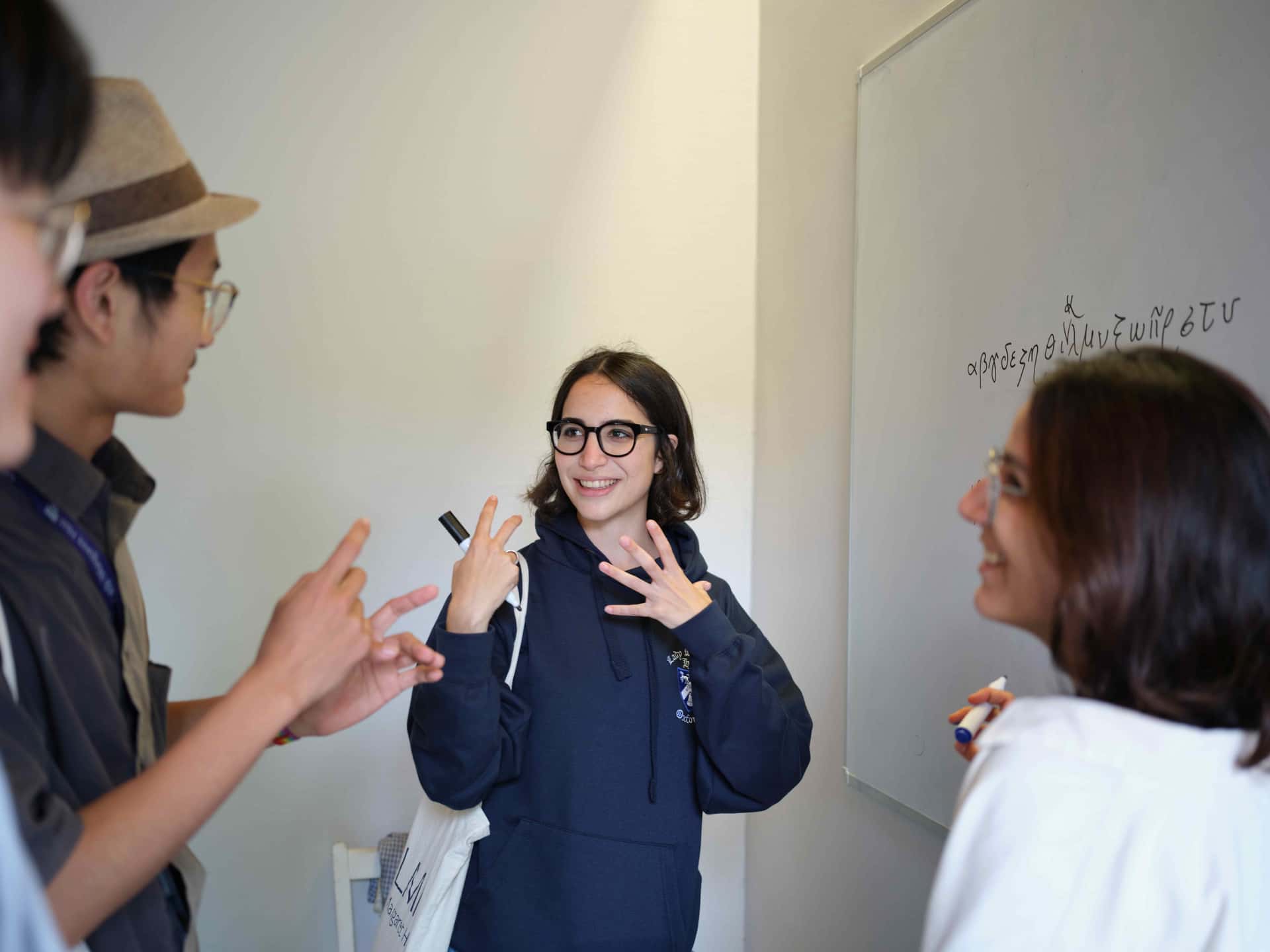
Experience Oxford University’s world-renowned tutorial teaching system, explore fascinating subjects with experts in the field, and gain new skills to take you further in your future academic or professional career.
Duration3, 6 or 9 weeksDates28 Jun – 16 Jul 2027 +2CampusLady Margaret HallAge range19+Fees£4,640 – £4,880
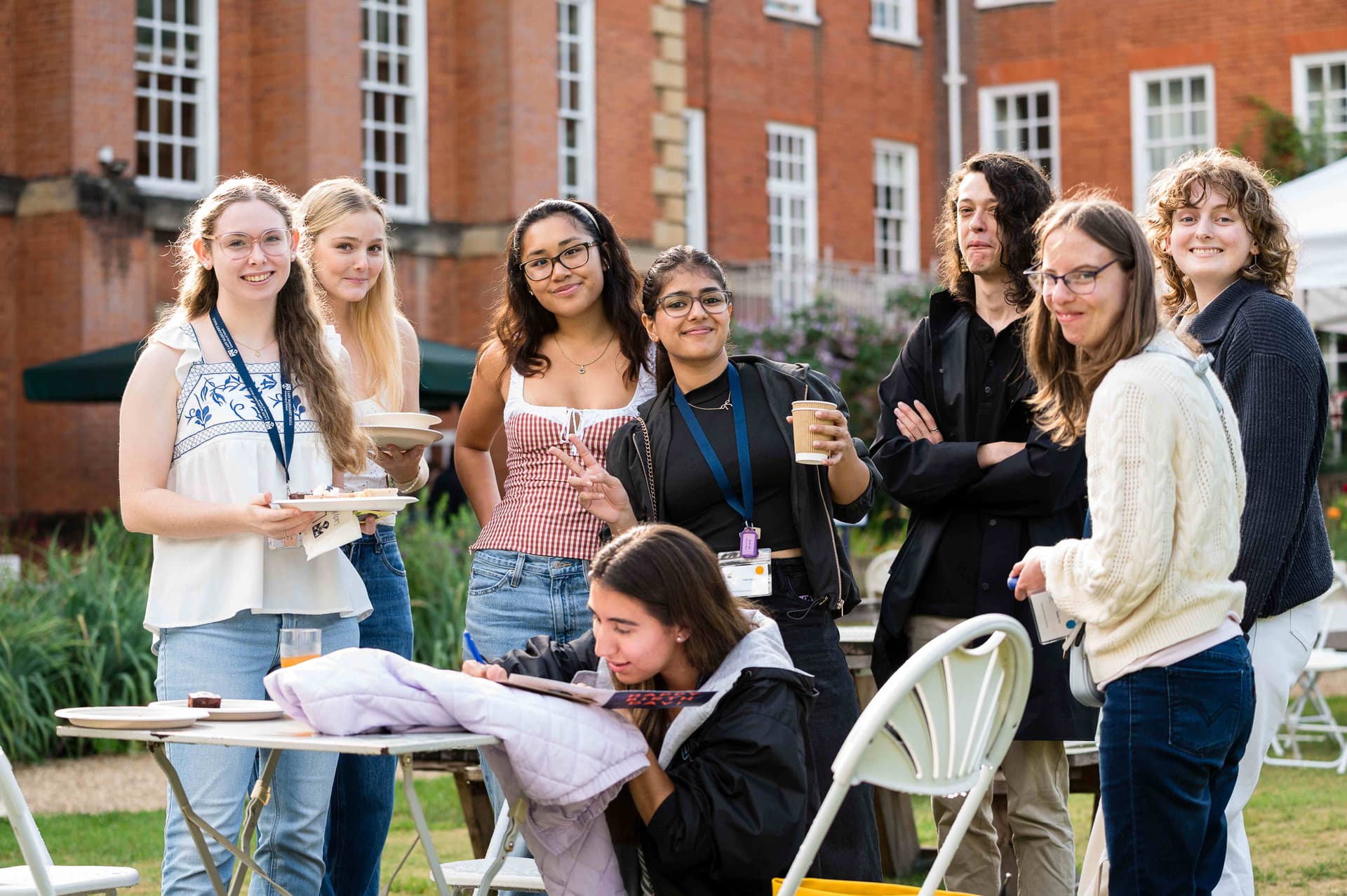
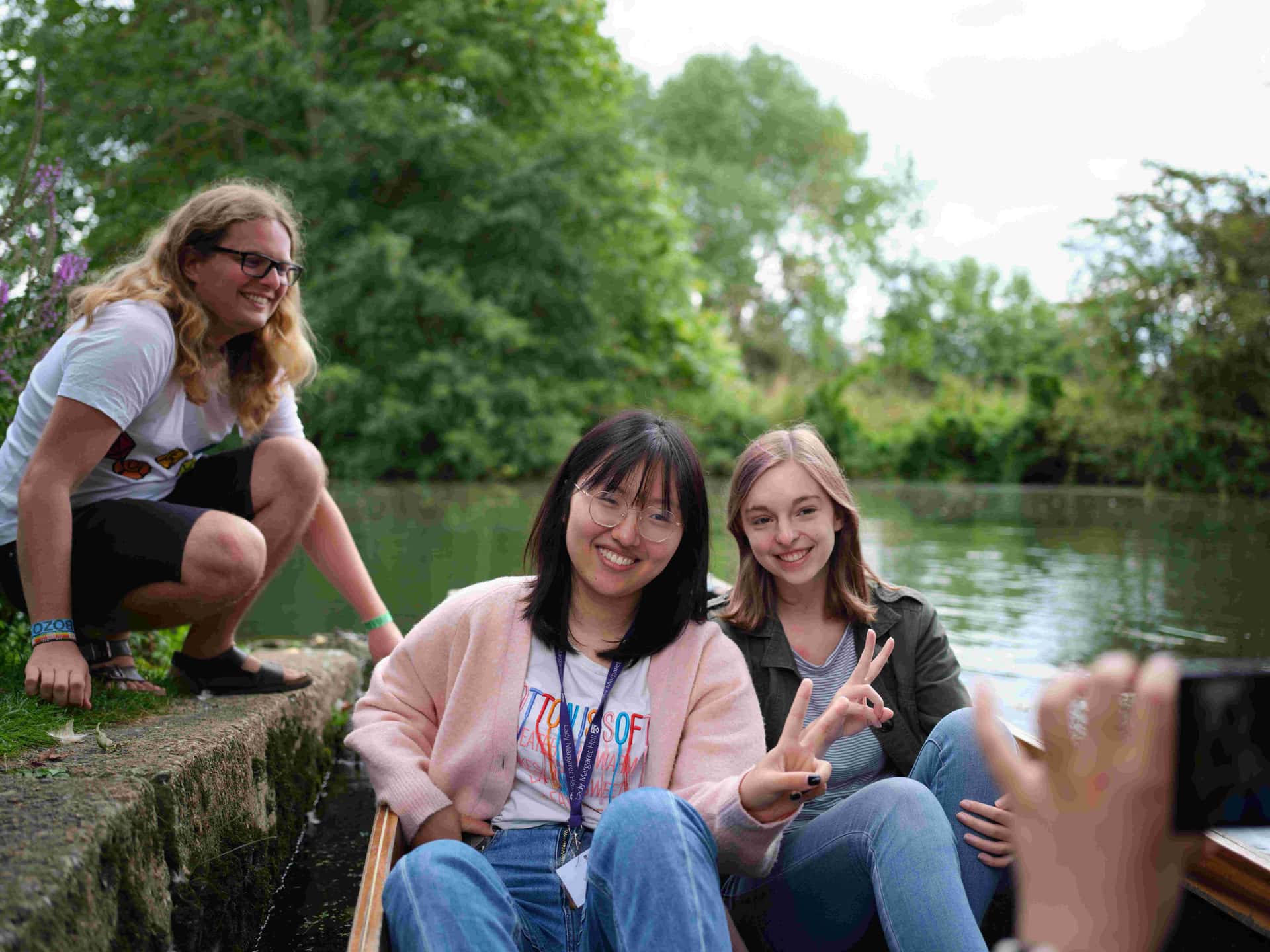
Beyond academics, the program includes a co-curricular schedule featuring skills sessions and guest speakers to support personal and professional growth. Set in the beautiful Lady Margaret Hall college campus, students enjoy not only academic excellence but also a vibrant social and cultural experience, including punting on the River Cherwell, formal banquets, and visits to world-class museums and historic sites.
Whether attending in person or online, students can expect an engaging and rewarding academic journey, making lasting friendships and drawing inspiration from Oxford’s historic "city of dreaming spires."
Explore a broad spectrum of subjects, taught by seasoned academics and experts
Participate in a rich co-curricular program, including skills sessions and guest lectures
Enjoy a vibrant array of social and cultural activities, immersing you in the Oxford experience
Benefit from the picturesque setting of Lady Margaret Hall, fostering a stimulating learning environment
Connect with a diverse international student body, enriching your global outlook
What's included
33 hours of stimulating core tuition over three weeks
Full board: breakfast every day, lunch and dinner on weekdays
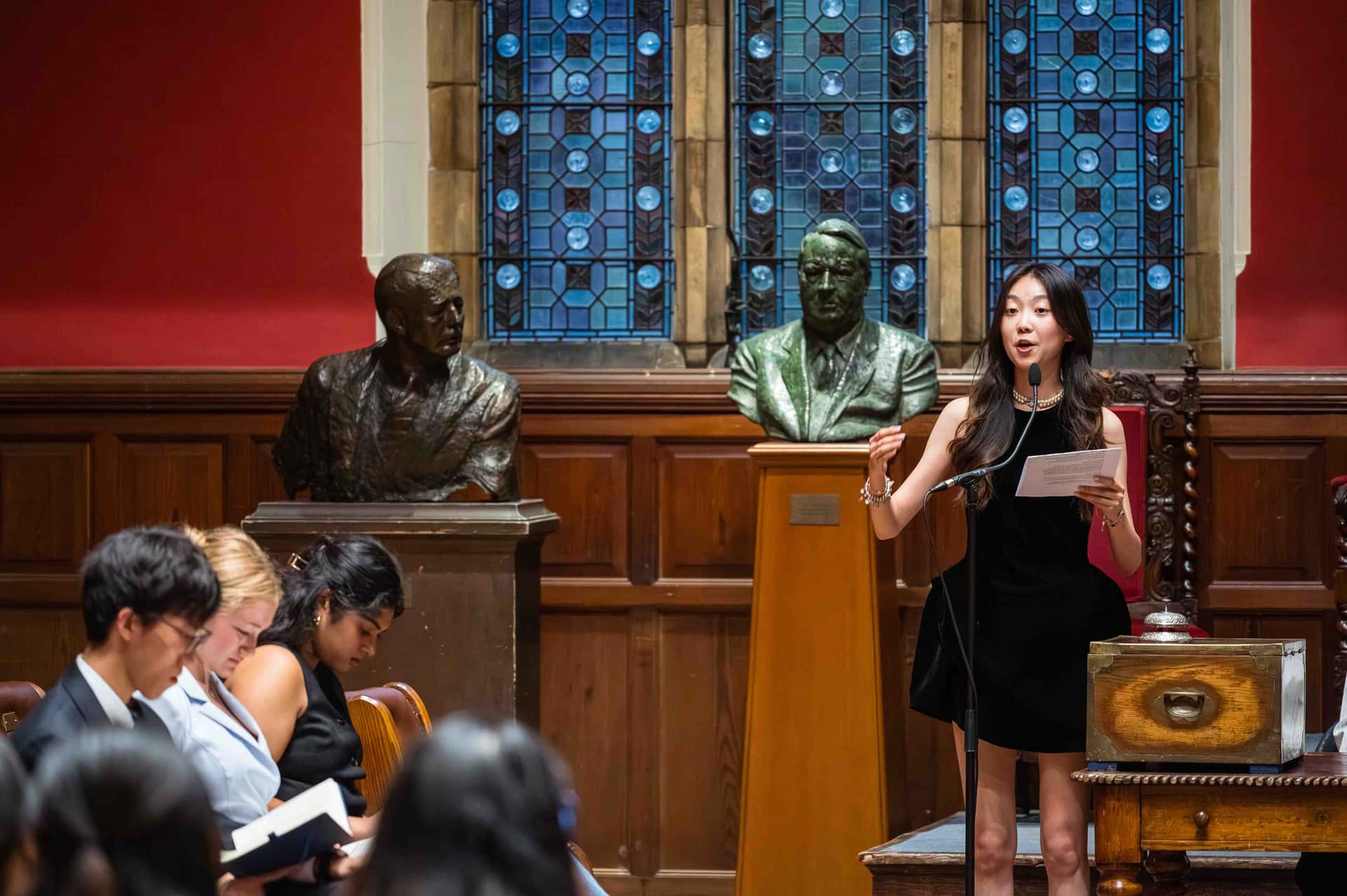
Weekly evening talks from impressive cross-industry guest speakers
Access to the Lady Margaret Hall college library - it has 75,000 books!
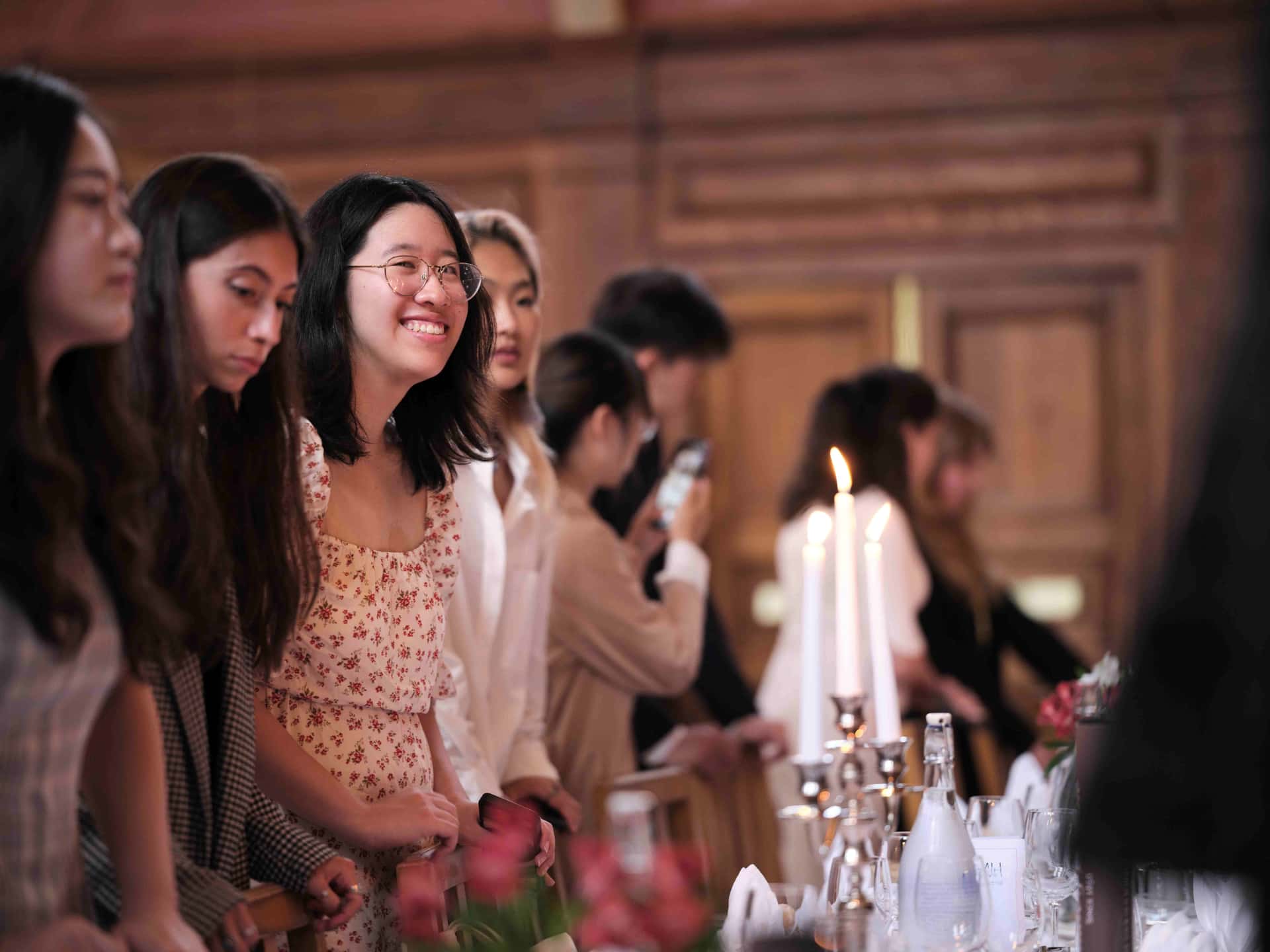
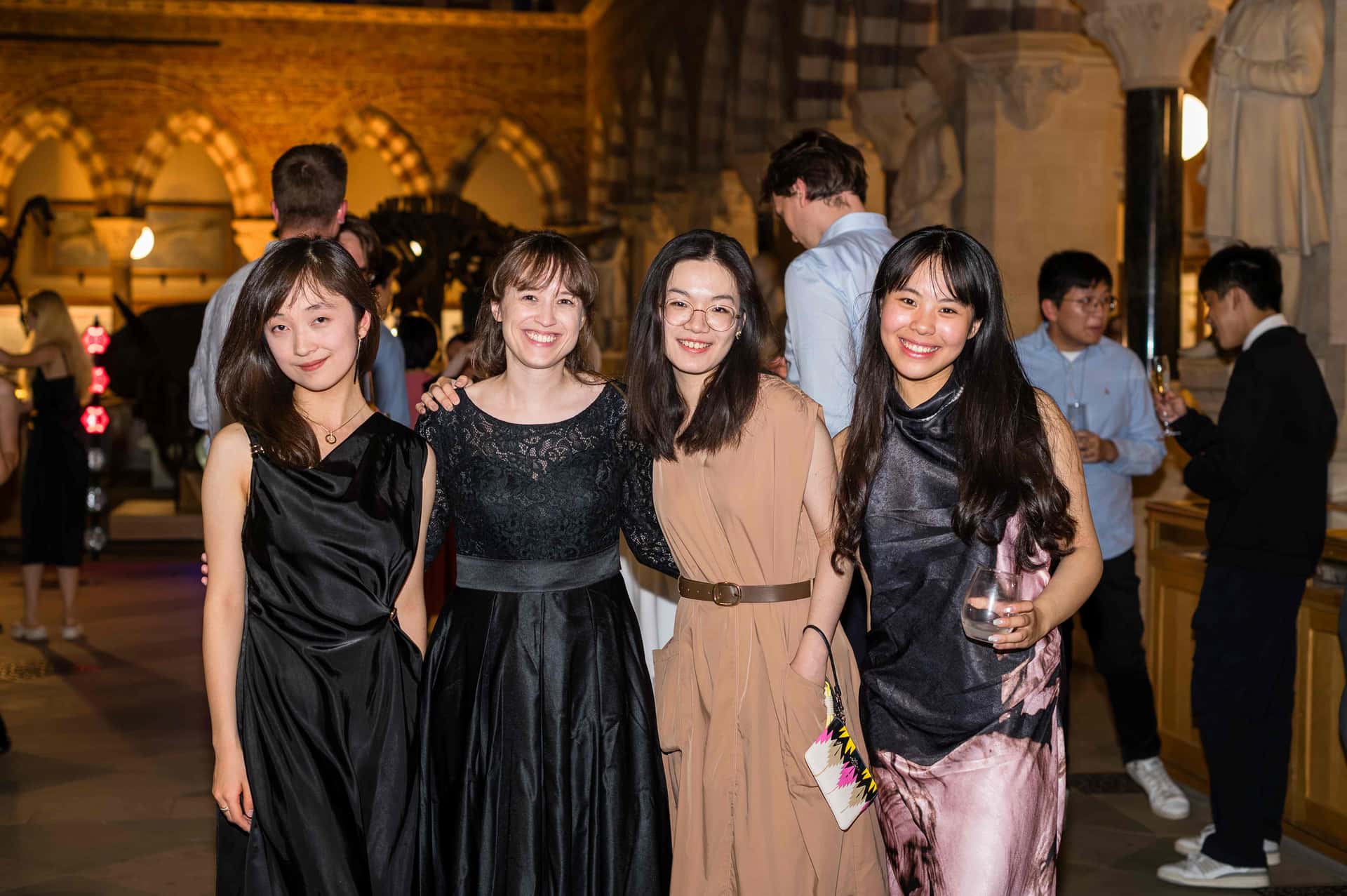
Formal graduation banquet dinner in a traditional college dining hall setting
Dynamic cultural and social programme
Two day trips to other popular UK cities such as Bath, Bristol or London
Punting on the picturesque River Cherwell
Personal skills sessions - including public speaking and presentation skills, leadership, debate and exam techniques
Weekly assessments, final grade and certificate
Eligible for academic credit: transcript of assessed work sent to home institution
Where You'll Study
Lady Margaret Hall
The serene River Cherwell runs alongside the grand Lady Margaret Hall and provides the perfect place to study and soak up the unparalleled beauty of Oxford. It was founded in 1878 as the first college in Oxford for women and only began...
Available Sessions
Compare available dates, duration, campus, fees and availability. Open a session for accommodation details.
Programme sessions with dates, duration, campus, price, availability and accommodation details.
Session
Dates
Duration
Price
Session 1
28 Jun 2027 - 16 Jul 2027Enrolling Now
3 weeks
£4,640 - £4,880
Session 2
19 Jul 2027 - 6 Aug 2027Enrolling Now
3 weeks
£4,640 - £4,880
Session 3
9 Aug 2027 - 27 Aug 2027Enrolling Now
3 weeks
£4,640 - £4,880
Lady Margaret Hall University of Oxford
A pioneering and historic college of the University of Oxford with its own intellectually-challenging summer school, taught by academics of the University itself.
From self-driving cars and augmented reality to intelligent medical imaging helping doctors identify diseases more quickly, computer vision is a rapidly-growing field within artificial intelligence and machine learning. In this course, students who are already familiar with the key theoretical foundations of artificial intelligence and machine learning will dive deeper into the exciting capabilities of this area of research and its applications.
Deep Unsupervised Learning is an exciting emerging area of research in the field of artificial intelligence and machine learning, in which the goal is to develop systems that can learn from unlabelled data. Such systems closely mimic natural human intelligence by finding patterns in data without instructions on what to look for.
Through predictive text, translation tools, and smart devices natural language processing (NLP) is increasingly a part of our day-to-day lives, and in large language models like Chat-GPT we see the enormous future potential of this exciting area of research. This advanced course examines the theoretical concepts of NLP and its current and potential future application in diverse domains.
This course builds on and operationalises students’ existing understanding of international law by exploring the means of peaceful dispute settlement identified in the Charter, and the respective roles of the General Assembly and the Security Council in connection with them, before focussing on the law and practice of the International Court of Justice. It culminates in a multi-day simulation of proceedings before the Court, in which students take on the roles of those who actually engage in the judicial settlement of inter-State disputes to learn first-hand how they are discharged in reality. This will give them a unique perspective on this important subject and equip them for further engagement with it, academically or as a private practitioner or international or domestic civil servant.
How can we see cities and their buildings as a means of understanding history and society?
In this course you will examine the everyday built environments of cities in Britain (and beyond). Through careful engagement with architectural history, we can read the planning and development of urban spaces as a reflection of the identities of the social groups who use them.
In our age of burgeoning smart technology and automation we are already seeing the transformative potential of Artificial Intelligence and Machine Learning in fields as diverse as finance, medicine, and manufacturing. This course offers a hands-on introduction to this future-focused area of research.
Perhaps the greatest challenge facing humankind is anthropogenic climate change, the rapid warming of the earth’s temperature driven by the consumption of fossil-fuels and emission of greenhouse gases into the atmosphere. In this course you will explore climate change as a disruptive legal phenomenon, examining how it is understood as a societal issue and how legal systems have responded to it. You will examine the conflicts these responses have generated and the varied potential pathways forward.
Taking its cue from the First Folio (1623), the book that preserved many of Shakespeare’s plays for posterity, the course spends one week on each of the main genres in which the author wrote and introduces students to key questions raised by plays such as The Tempest, Twelfth Night, Richard III, Hamlet, and Othello, among others. Join this course for a deep dive into the world and words of William Shakespeare with some of the world's most prominent researchers in the field.
How does the brain process information, make decisions, and learn? Computational Psychologists seek to answer these questions by using algorithms and mathematical models to simulate and analyse the mechanisms behind mental processes. The field has been highly influential on Artificial Intelligence research and development, as data scientists attempt to convincingly recreate human thought, speech, and behaviour in machines, a challenge Alan Turing called the ‘Imitation Game’. Introducing Computational Psychology, Computational Neuroscience, and AI, this course offers a fascinating insight into these exciting and forward-looking interconnected fields of research.
While clinical medicine deals with the health of the individual, public health is concerned with the health of the population. The UK Faculty of Public Health defines public health as “the science and art of preventing disease, prolonging life, and promoting health through the organised efforts of society.” The recent COVID-19 pandemic acutely underscored the key functions public health professionals play in considering, designing, implementing, and evaluating interventions at the population level. If you are interested in thinking about complex problems touching all aspects of society, or are considering a career in public health, medicine, or public policy, this course can provide a valuable starting point in your journey.
While the world has been moving increasingly towards greater inter-connectivity through trade, infrastructure, communications, and migration, criticism of ‘globalisation’ has been growing ever louder, with many blaming it for inequality, cultural marginalisation, and political disaffection. Through the lenses of philosophy, politics, and economics this course will explore these competing dynamics and equip you to understand some of the most significant political phenomena of our time.
Knowledge of the subject of International Law is vital, not just to those who hope to become lawyers, but to anyone who intends to be a well-informed citizen. The course begins with an introduction to international law as a discipline. We will consider the sources and subjects of international law, and we will explore the settlement of international disputes and enforcement of international law, including in relation to human rights. We will discuss international legal institutions such as the United Nations Security Council, the International Court of Justice, the International Law Commission, and the International Criminal Court.
How are we able to focus on one thing rather than something else? Why do we remember some things and forget others? What makes human beings intelligent? This course offers the opportunity to explore these questions and more through an introduction to Cognitive Psychology, a key area within Psychology which examines how the brain works.
A moderately successful author in her own lifetime, Jane Austen has since become a global phenomenon: her writings are now read the world over and successive generations of readers have been captivated by her innovative fusion of romance and reality. Why do Austen’s novels continue to resonate so deeply across the centuries? Join this course to explore the stylistic techniques she invented and to discover how Austen’s work continues to influence literature and popular culture today.
Does the law protect or undermine our freedom? Which legal doctrines govern our speech, assembly, property, and personal autonomy?
This course offers the opportunity to explore these questions and more through an introduction to the legal dimensions of freedom..
Museums: What are they good for?
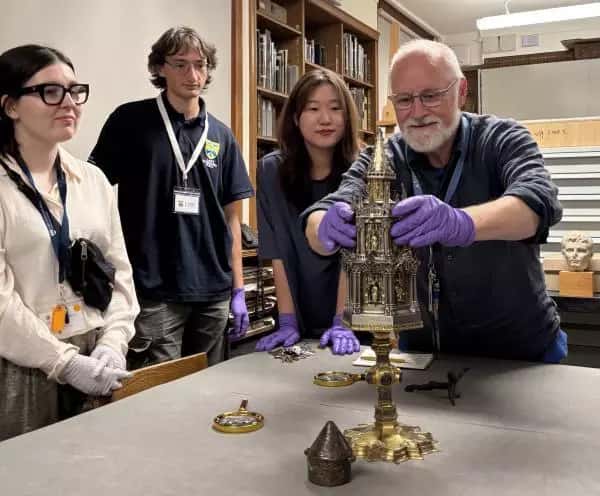
The Ashmolean, since it opened its doors in 1683 as the world's first ever public museum, has informed and been informed by every development in museum scholarship, collecting practice, and object-centred teaching and learning. In this course, we’ll explore the origins of the modern museum and trace the development of the Oxford collections as a paradigm for the assembly of a material analogue for every kind of historic and scientific record.
What inspired the emergence and flowering of the fantasy genre in the 20th and 21st century? Oxford - historic, beautiful, and timeless seat of learning - is closely associated with the genre. Towering figures of fantasy literature, J. R. R. Tolkien and C. S. Lewis, were both professors at the University of Oxford, and many more, like Diana Wynne Jones or Philip Pullman, were educated at Oxford or, like J. K. Rowling, influenced by its literary products and settings. Oxford and the Rise of Fantasy offers a unique opportunity to examine the fantasy genre from its earliest origins to the present day, exploring at each stage the influence of Oxford and its writers.
This three-week Academic Programme provides an engaging exploration of war, conflict, and peace through the study of International Relations (IR). It introduces participants to key theoretical perspectives, including realism, liberalism, constructivism, and postcolonial approaches, examining how these theories explain relations between states and the causes of conflict. The programme also considers the influence of culture, religion, identity, and other social and political factors on conflict within and between states.
Whether it is a politician guiding a nation through crisis, a visionary tech entrepreneur disrupting the global business landscape, or an inspirational activist campaigning for social justice, great leaders have the power to change the world. But what makes a great leader, and how do you become one?
In this very special course, students benefit from access to and engagement with the extraordinary collection in the Ashmolean and other local sites, learning from direct encounters with treasures of modern British art. With lectures will be delivered by Oxford academics and field-leading experts, you will examine the art and literature of the period and take part in unique site visits. You also have the opportunity to visit auction houses and galleries to learn from specialists about the art world today and the place of British modernism in the contemporary market.
What brings people together — and what pushes them apart?
This course explores how group identities are formed, how individuals understand themselves in relation to others, and how both connection and division emerge within and between social and political groups. Drawing on key theories, cutting-edge research, and global case studies, students will examine the psychological mechanisms that shape social relations including how people connect, cooperate, and sometimes come into conflict.
Join this course to explore the universe at the smallest distances and highest energies where quantum mechanics and special relativity collide.
Over the course of 3 weeks of lectures from world-experts and hands on seminars, students will join the particle physicists from the Large Hadron Collider's ATLAS experiment in analysing real proton collisions from the world’s largest machine - uncovering the secrets of the building blocks of the universe.
How have various technologies, from the printing press to the coding, impacted how people have read, used, and understood books? How have people’s reading practices changed over time? How have developments in philosophical, literary, religious, social thought changed the material form and perception of the book? From richly bejewelled deluxe medieval manuscripts to mass-produced paperbacks, this course invites you to explore the history of how books were made, disseminated, and read from the early medieval period to the present day.
What kinds of people, values, and relationships does Law assume? What is the Law's vision of the good life? Whose morality counts? This course explores Law and legal doctrine not as a neutral instrument but as a moral architecture.
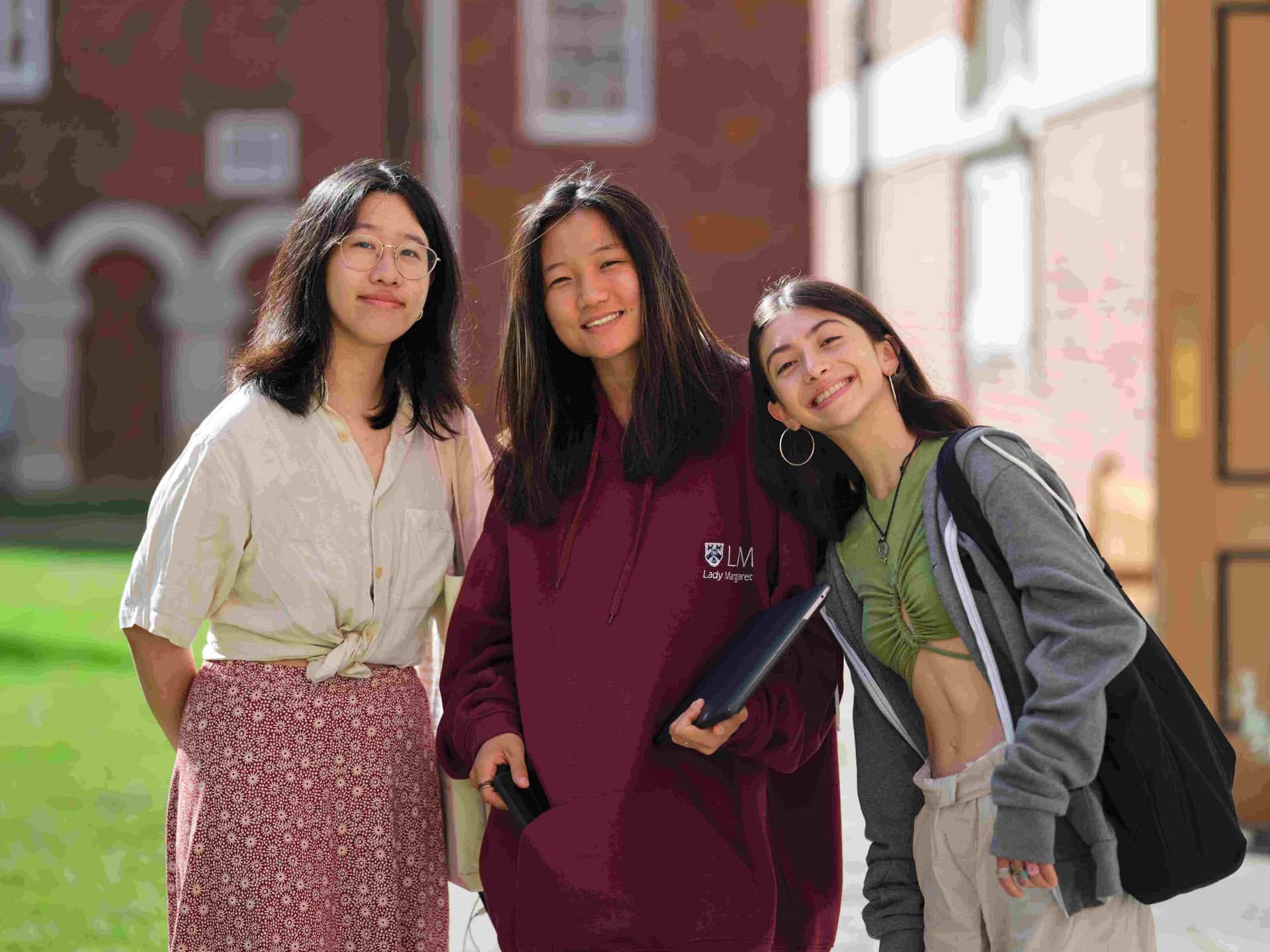
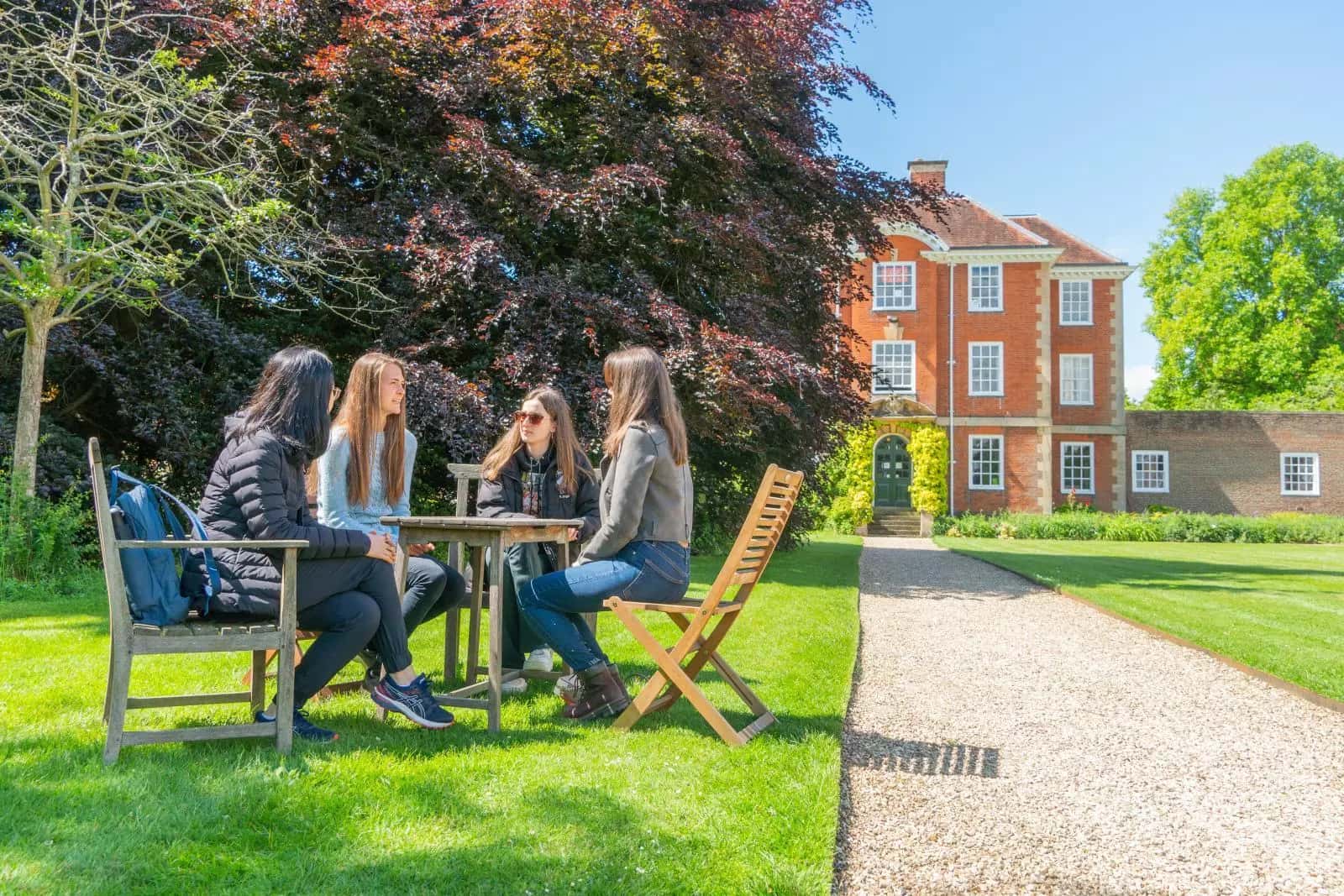
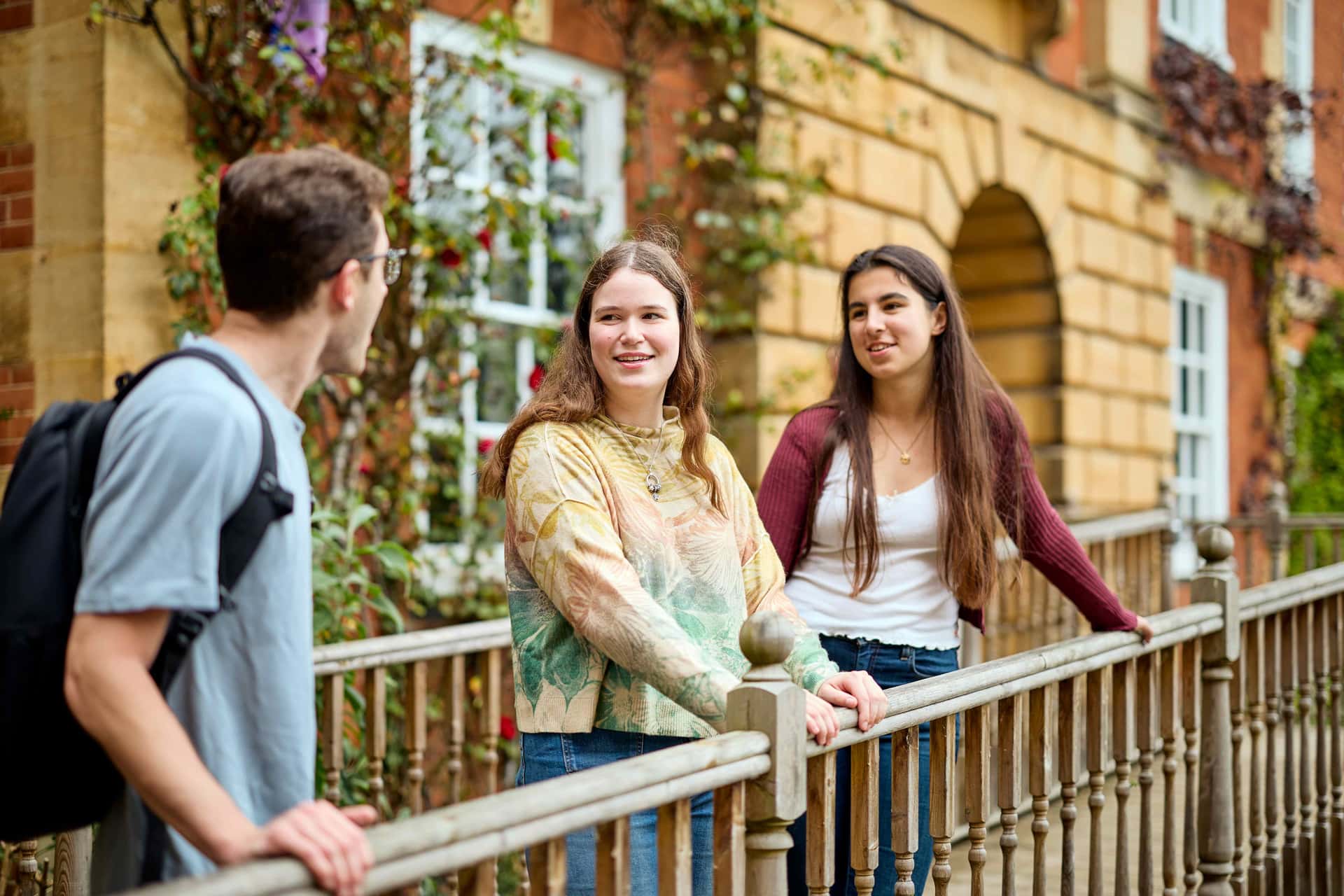
Lady Margaret Hall (or ‘LMH’ as it is known to Oxford students) will be your home away from home. Set amongst 13 acres of beautiful gardens and located about 15 minutes’ walk from the lively city centre, LMH students benefit from access to a world-class library as well as gorgeous grounds for a game of croquet with friends, a tennis match on our courts, or even a dreamy punt along the River Cherwell.
When you enrol in our courses at LMH, you will stay on-site in our College accommodation, which is usually occupied by undergraduate students at LMH during term time. All student rooms are located within just a few minutes’ walking distance to everywhere in the college.
You can choose to stay in an en-suite room with private bathroom or a standard room with a shared bathroom, both of which are single occupancy. You will be asked to choose your preferred type of rooms in the application form, but the final allocation will be subject to our real-time room availability.
Each room in LMH is comfortably furnished and designed to provide a quiet, personal space for rest and study. This includes a personal desk, ensuring a space for private study throughout your stay. Bedding and towels are provided, with regular servicing from our Housekeeping team, known as ‘Scouts’. Laundry and drying machines are also available on site.
How many hours of tuition are provided?
33
What level of English do I need?
To participate fully in the programme all students will need to have proficiency in English. Students who are not native English speakers must demonstrate their English proficiency with one of the following: - TOEFL iBT score of 98 - - IELTS score of 7.0 (no less than 6.5 in each component) - Duolingo English Test score of 125 (no less than 115 in each section) - Cambridge English Scale score of 185 If you are taught primarily in English at your home university, we may be able to waive the requirement for an English language proficiency certificate.
If this applies to you, please contact us for further information. If you have proof of English language proficiency which is not listed above, but which you would like us to consider, please contact vacation.programmes@lmh.ox.ac.uk.
What supervision is provided?
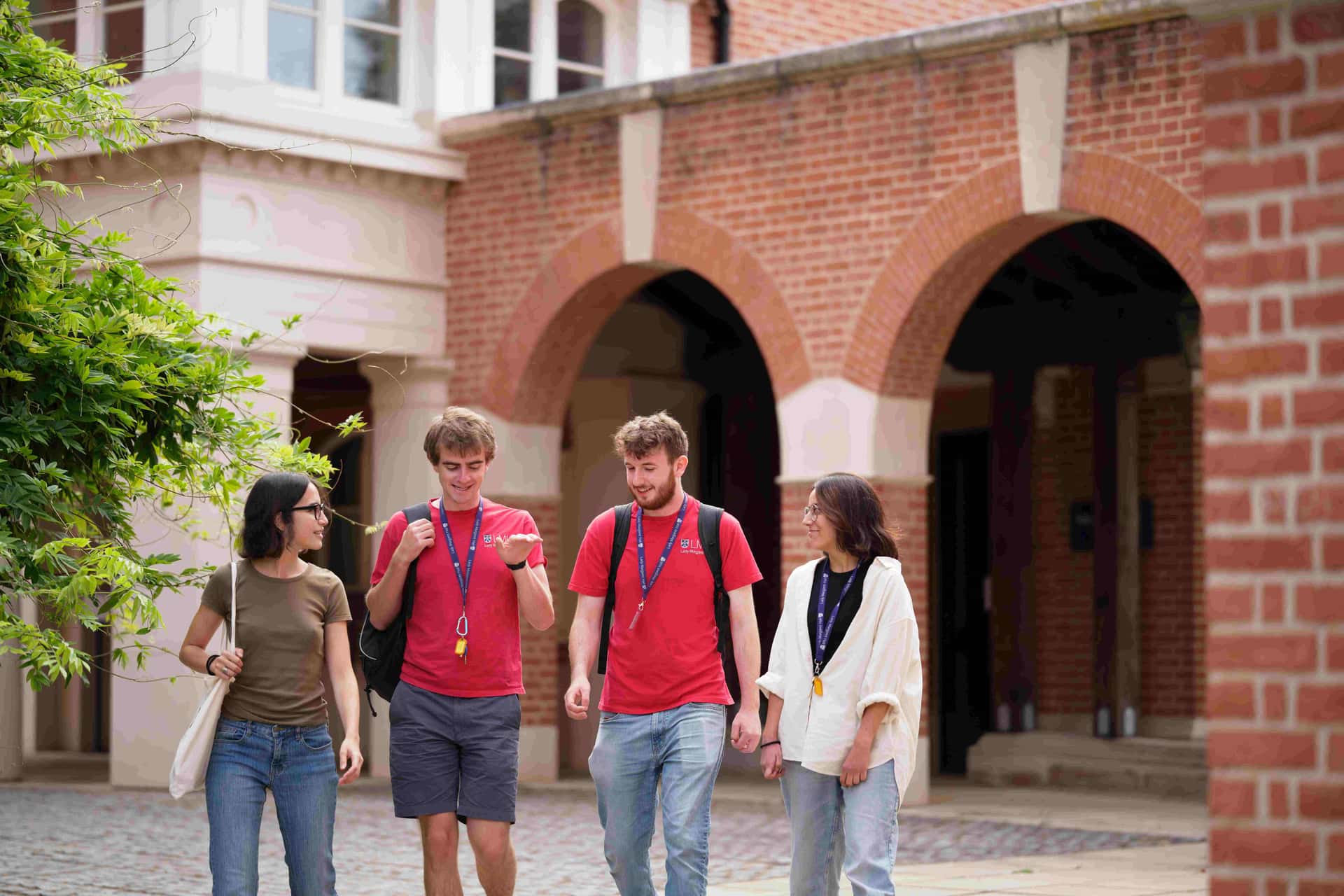
The Residential Advisors, our team of Oxford University graduate students, are your go-to guides for making new friends, discovering the city, and immersing yourself in the vibrant Oxford student experience.
Are airport transfers provided?
Lady Margaret Hall offers a coach service between London Heathrow Airport and Lady Margaret Hall on the arrival and departure days included in the Programme Fee.
Is course insurance provided?
No, students are required to arrange their own comprehensive travel insurance.
Will I get a certificate?
Students on the LMH Oxford Summer Programmes are awarded a Programme certificate and an Academic Transcript detailing their assessed work.
LMH Oxford Summer Programmes are designed to be eligible for academic credit, and many students have successfully earned academic credit by studying on an LMH Summer Programme. As a guide, we recommend the award of 15 CATS / 7.5 ECTS / 4 US Credits for each 3-week course. Lady Margaret Hall will provide a transcript of your assessed work, and can send this directly to your home institution if requested.
What visa do I need?
You can check the British Government’s guide to find out whether you will need a visa (please select your nationality, “study”, and “less than 6 months”). Upon securing your place you will be issued a Study Visitor Letter which provides information in support of your entry to the UK as a visitor and which you can include with your visitor visa application if required.