Finding summer courses…
Course · Lady Margaret Hall University of Oxford
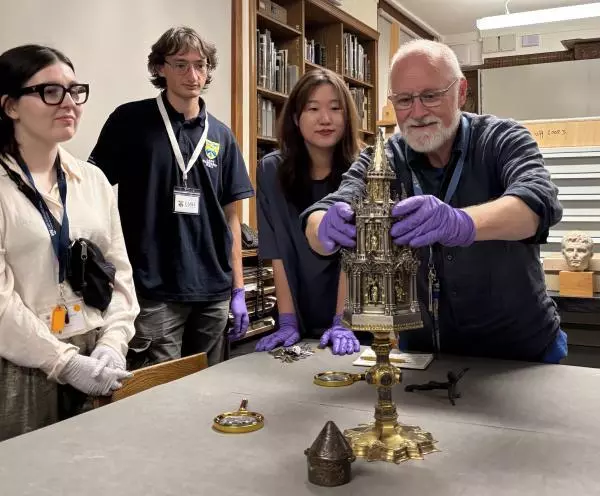
Museums: What are they good for?
The Ashmolean, since it opened its doors in 1683 as the world's first ever public museum, has informed and been informed by every development in museum scholarship, collecting practice, and object-centred teaching and learning. In this course, we’ll explore the origins of the modern museum and trace the development of the Oxford collections as a paradigm for the assembly of a material analogue for every kind of historic and scientific record. We’ll consider the museum as an instrument for the promotion of national and racial ideologies and ask how we can constructively confront a past that has often embodied ideas that are deeply at odds with 21st century sensibilities. Most importantly, classes will be taught among the peerless collections of the Ashmolean. We will spend our time not only in the galleries but in study rooms where we will handle and examine objects ranging from Palaeolithic hand axes to 19th century silver and from neo-Assyrian sculpture to Renaissance drawings by Michelangelo and Raphael, considering fundamental questions of sources, research, and what it is truly possible to know.
This course is part of the programme
Learn more on the official Lady Margaret Hall University of Oxford website .
Compare available dates, duration, campus, fees and availability. Open a session for accommodation details.
| Session | Dates | Duration | Price | |
|---|---|---|---|---|
Session 1 | 28 Jun 2027 - 16 Jul 2027Enrolling Now | 3 weeks | £4,640 - £4,880 |


A pioneering and historic college of the University of Oxford with its own intellectually-challenging summer school, taught by academics of the University itself.
View Provider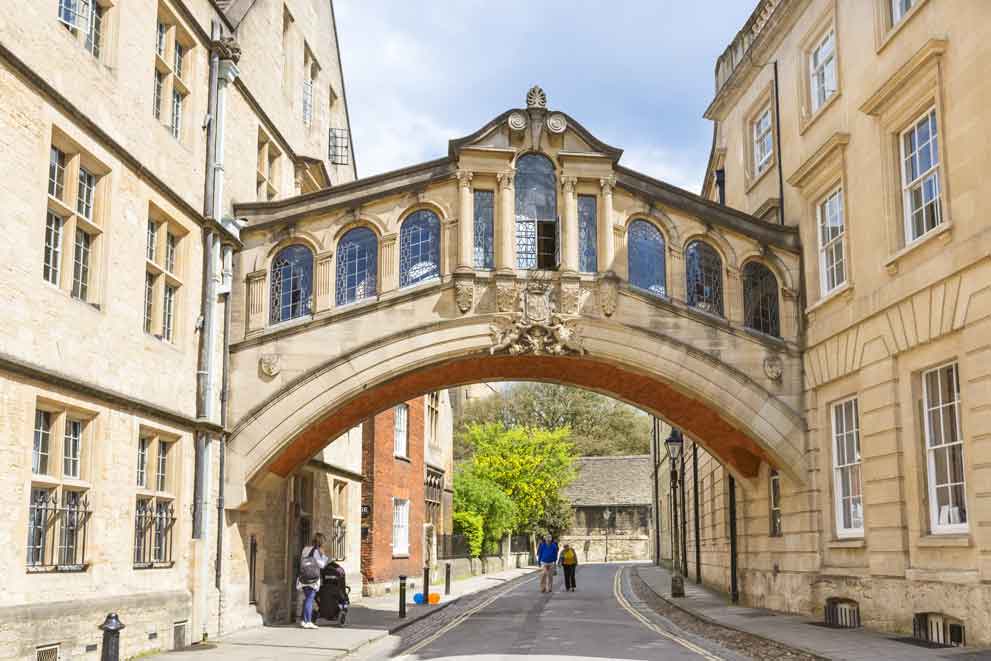
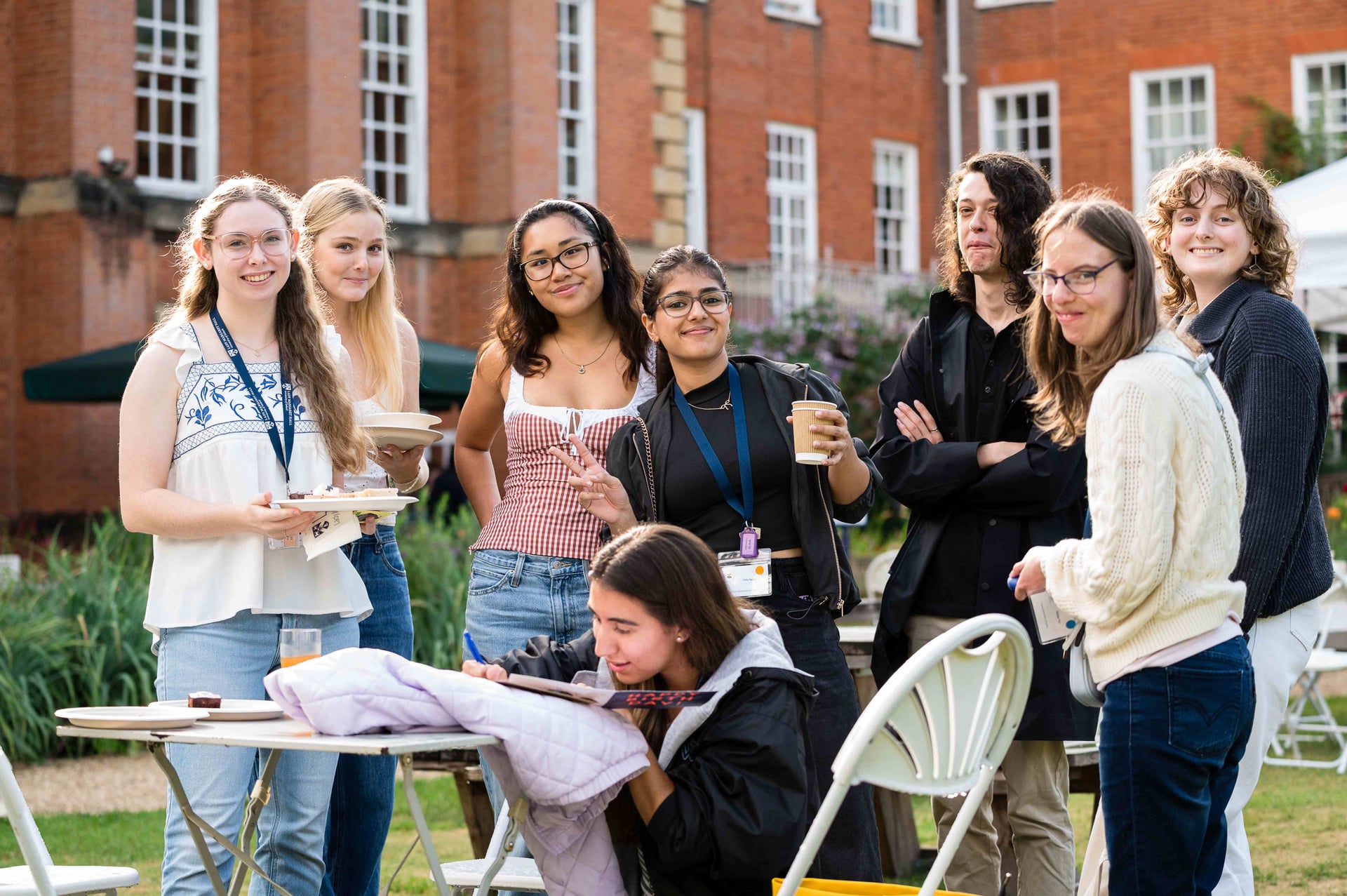
Lady Margaret Hall (or ‘LMH’ as it is known to Oxford students) will be your home away from home. Set amongst 13 acres of beautiful gardens and located about 15 minutes’ walk from the lively city centre, LMH students benefit from access to a world-class library as well as gorgeous grounds for a game of croquet with friends, a tennis match on our courts, or even a dreamy punt along the River Cherwell.
When you enrol in our courses at LMH, you will stay on-site in our College accommodation, which is usually occupied by undergraduate students at LMH during term time. All student rooms are located within just a few minutes’ walking distance to everywhere in the college.
You can choose to stay in an en-suite room with private bathroom or a standard room with a shared bathroom, both of which are single occupancy. You will be asked to choose your preferred type of rooms in the application form, but the final allocation will be subject to our real-time room availability. Each room in LMH is comfortably furnished and designed to provide a quiet, personal space for rest and study. This includes a personal desk, ensuring a space for private study throughout your stay. Bedding and towels are provided, with regular servicing from our Housekeeping team, known as ‘Scouts’. Laundry and drying machines are also available on site.
33
To participate fully in the programme all students will need to have proficiency in English. Students who are not native English speakers must demonstrate their English proficiency with one of the following: - TOEFL iBT score of 98 - - IELTS score of 7.0 (no less than 6.5 in each component) - Duolingo English Test score of 125 (no less than 115 in each section) - Cambridge English Scale score of 185 If you are taught primarily in English at your home university, we may be able to waive the requirement for an English language proficiency certificate.
If this applies to you, please contact us for further information. If you have proof of English language proficiency which is not listed above, but which you would like us to consider, please contact vacation.programmes@lmh.ox.ac.uk.
The Residential Advisors, our team of Oxford University graduate students, are your go-to guides for making new friends, discovering the city, and immersing yourself in the vibrant Oxford student experience.
Lady Margaret Hall offers a coach service between London Heathrow Airport and Lady Margaret Hall on the arrival and departure days included in the Programme Fee.
No, students are required to arrange their own comprehensive travel insurance.
Students on the LMH Oxford Summer Programmes are awarded a Programme certificate and an Academic Transcript detailing their assessed work.
LMH Oxford Summer Programmes are designed to be eligible for academic credit, and many students have successfully earned academic credit by studying on an LMH Summer Programme. As a guide, we recommend the award of 15 CATS / 7.5 ECTS / 4 US Credits for each 3-week course. Lady Margaret Hall will provide a transcript of your assessed work, and can send this directly to your home institution if requested.
You can check the British Government’s guide to find out whether you will need a visa (please select your nationality, “study”, and “less than 6 months”). Upon securing your place you will be issued a Study Visitor Letter which provides information in support of your entry to the UK as a visitor and which you can include with your visitor visa application if required.
