Finding summer courses…
Course · Lady Margaret Hall University of Oxford
What inspired the emergence and flowering of the fantasy genre in the 20th and 21st century?
Oxford - historic, beautiful, and timeless seat of learning - is closely associated with the genre. Towering figures of fantasy literature, J. R. R. Tolkien and C. S. Lewis, were both professors at the University of Oxford, and many more, like Diana Wynne Jones or Philip Pullman, were educated at Oxford or, like J. K. Rowling, influenced by its literary products and settings. Oxford and the Rise of Fantasy offers a unique opportunity to examine the fantasy genre from its earliest origins to the present day, exploring at each stage the influence of Oxford and its writers.
The course traces a history of the fantasy genre's formation and crystallization, from its medieval beginnings to the present. You will look at the story-telling and world-building literary devices used by Geoffrey of Monmouth, who wrote his medieval bestseller about King Arthur in Oxford Castle, and the authors of Renaissance Romance fantasies. You will explore Margaret Cavendish’s The Blazing World, a forerunner of science fiction, and 18th-century Gothic fantasies which paved the way for Mary Shelley’s Frankenstein and Bram Stoker’s Dracula. The course follows Oxford's own Lewis Carroll, Scottish fantasy author George Macdonald, and the pre-Raphaelite William Morris through to Tolkien and Lewis and beyond. We will also consider recent critical approaches to the fantasy genre as well as discuss whether these pre-21st century texts lend themselves with ease to the modern media of cinema, TV serialisation, or computer games, and which adjustments have been made or are still to be made to make them relevant to our own times.
This course is part of the programme
Learn more on the official Lady Margaret Hall University of Oxford website .
Compare available dates, duration, campus, fees and availability. Open a session for accommodation details.
| Session | Dates | Duration | Price | |
|---|---|---|---|---|
Session 1 | 28 Jun 2027 - 16 Jul 2027Enrolling Now | 3 weeks | £4,640 - £4,880 |

A pioneering and historic college of the University of Oxford with its own intellectually-challenging summer school, taught by academics of the University itself.
View Provider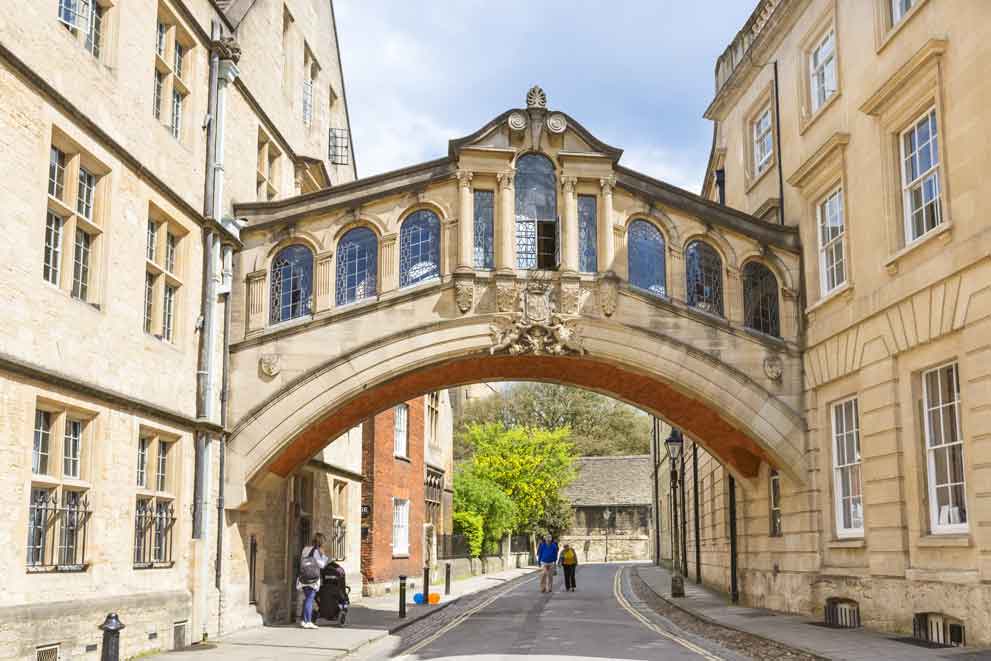
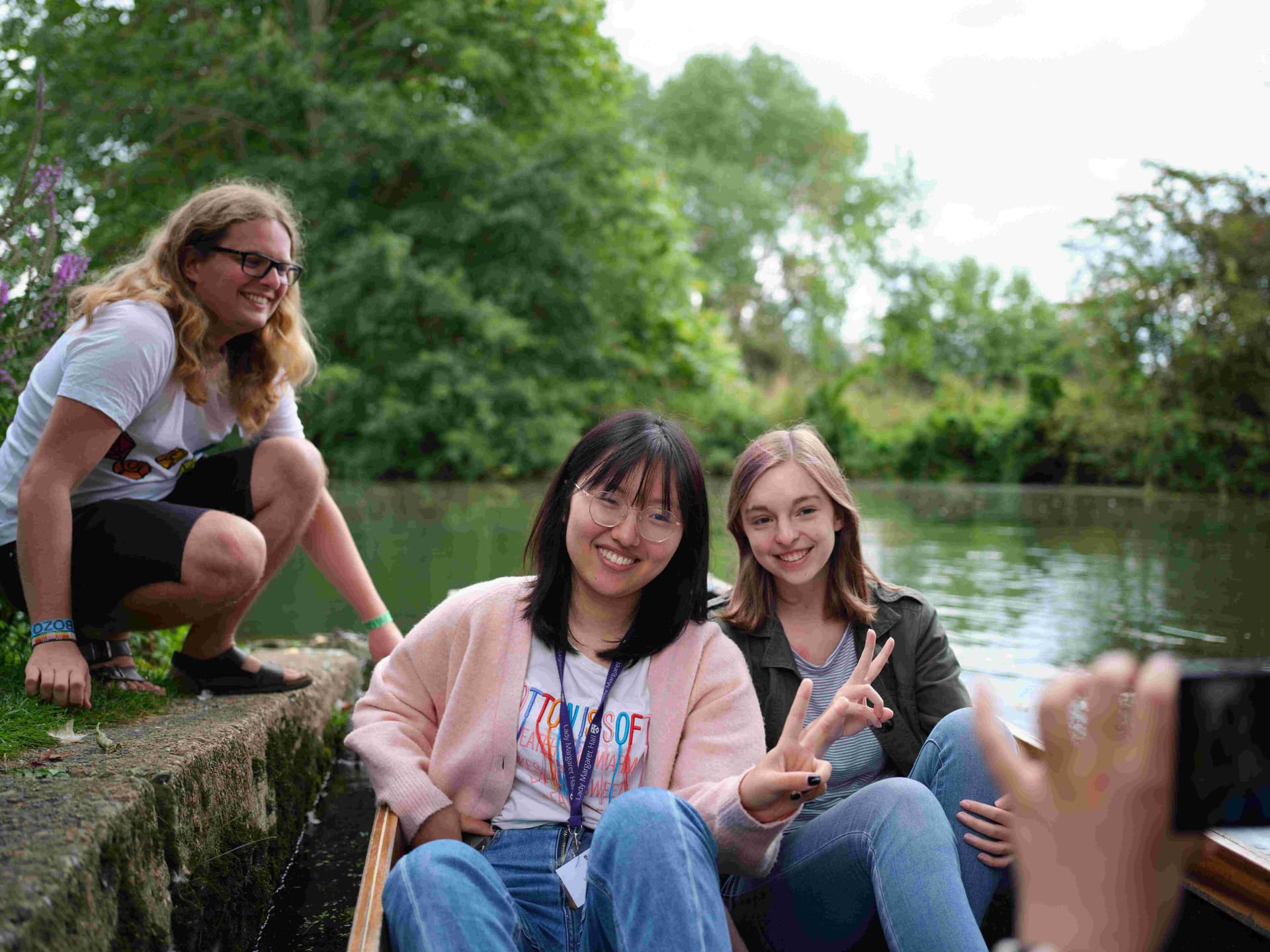
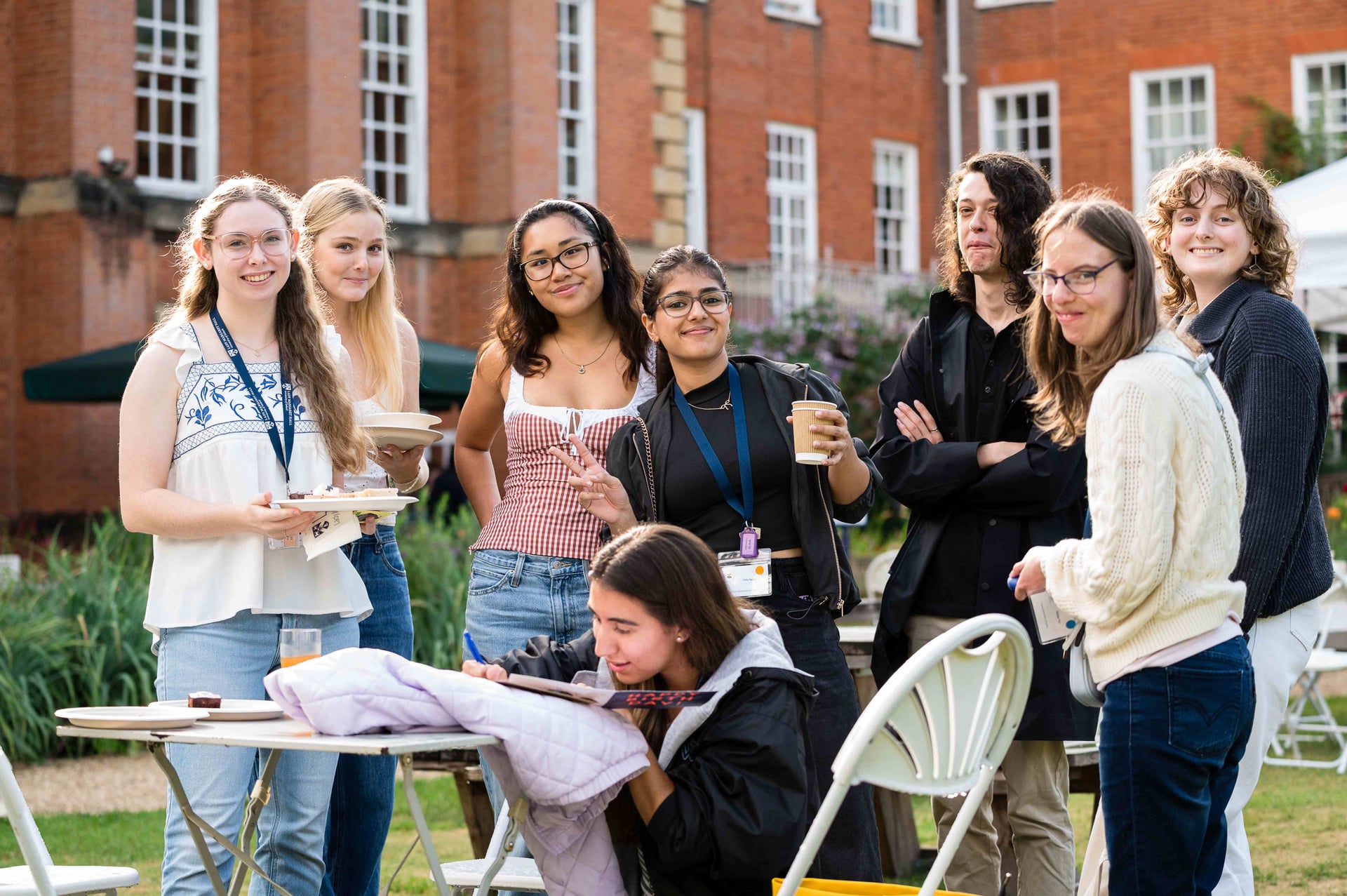
Lady Margaret Hall (or ‘LMH’ as it is known to Oxford students) will be your home away from home. Set amongst 13 acres of beautiful gardens and located about 15 minutes’ walk from the lively city centre, LMH students benefit from access to a world-class library as well as gorgeous grounds for a game of croquet with friends, a tennis match on our courts, or even a dreamy punt along the River Cherwell.
When you enrol in our courses at LMH, you will stay on-site in our College accommodation, which is usually occupied by undergraduate students at LMH during term time. All student rooms are located within just a few minutes’ walking distance to everywhere in the college.
You can choose to stay in an en-suite room with private bathroom or a standard room with a shared bathroom, both of which are single occupancy. You will be asked to choose your preferred type of rooms in the application form, but the final allocation will be subject to our real-time room availability. Each room in LMH is comfortably furnished and designed to provide a quiet, personal space for rest and study. This includes a personal desk, ensuring a space for private study throughout your stay. Bedding and towels are provided, with regular servicing from our Housekeeping team, known as ‘Scouts’. Laundry and drying machines are also available on site.
33
To participate fully in the programme all students will need to have proficiency in English. Students who are not native English speakers must demonstrate their English proficiency with one of the following: - TOEFL iBT score of 98 - - IELTS score of 7.0 (no less than 6.5 in each component) - Duolingo English Test score of 125 (no less than 115 in each section) - Cambridge English Scale score of 185 If you are taught primarily in English at your home university, we may be able to waive the requirement for an English language proficiency certificate.
If this applies to you, please contact us for further information. If you have proof of English language proficiency which is not listed above, but which you would like us to consider, please contact vacation.programmes@lmh.ox.ac.uk.
The Residential Advisors, our team of Oxford University graduate students, are your go-to guides for making new friends, discovering the city, and immersing yourself in the vibrant Oxford student experience.
Lady Margaret Hall offers a coach service between London Heathrow Airport and Lady Margaret Hall on the arrival and departure days included in the Programme Fee.
No, students are required to arrange their own comprehensive travel insurance.
Students on the LMH Oxford Summer Programmes are awarded a Programme certificate and an Academic Transcript detailing their assessed work.
LMH Oxford Summer Programmes are designed to be eligible for academic credit, and many students have successfully earned academic credit by studying on an LMH Summer Programme. As a guide, we recommend the award of 15 CATS / 7.5 ECTS / 4 US Credits for each 3-week course. Lady Margaret Hall will provide a transcript of your assessed work, and can send this directly to your home institution if requested.
You can check the British Government’s guide to find out whether you will need a visa (please select your nationality, “study”, and “less than 6 months”). Upon securing your place you will be issued a Study Visitor Letter which provides information in support of your entry to the UK as a visitor and which you can include with your visitor visa application if required.
