The field of astronomy and space science offers a profound exploration of the universe, and summer schools provide an excellent opportunity for students to deepen their understanding of these subjects. In 2027, various esteemed institutions, including Sapphire Education, Oxford Summer Courses, and ISSFT, will host summer programs designed to enhance theoretical knowledge and practical skills in astronomy. These programs cater to a diverse range of participants, from high school students to early career professionals, fostering a collaborative environment for learning and discovery.
A broad selection of programmes is available, varying in depth, workload and course design across providers.
The teaching approach in astronomy and space science summer schools emphasizes hands-on learning and interdisciplinary collaboration. Programs typically cover a range of topics, including astrophysics, planetary science, and cosmology, providing students with a robust understanding of both theoretical concepts and practical applications. Unlike typical school curricula, which may be more prescriptive, these summer offerings foster an environment of inquiry and exploration. This academic depth allows participants to engage with current research and methodologies, enhancing their critical thinking and problem-solving skills.
Courses are often structured to balance intensive lectures with collaborative projects, allowing students to immerse themselves fully in the subject matter. A typical day may involve engaging discussions, laboratory experiments, and independent research, creating a dynamic classroom atmosphere. While some programs may adopt a more rigorous pace, others provide a relaxed environment for exploration. Students can expect to engage deeply with their peers, working both individually and in groups, which enriches the overall learning experience.
Eligibility for astronomy and space science summer schools is generally broad, accommodating a variety of backgrounds and levels of experience. Participants are often expected to have a foundational understanding of scientific principles, making these programs suitable for those eager to deepen their knowledge or explore new interests. An open-minded attitude and a willingness to engage with complex topics are essential for maximizing the experience.
What distinguishes the leading astronomy and space science summer schools in 2027 is their commitment to integrating cutting-edge research with practical application. Unlike more traditional educational offerings, these programs often feature guest lectures from active researchers, exposure to innovative technologies, and opportunities for real-world problem-solving. This blend of theory and practice not only enhances academic rigor but also prepares students for future studies or careers in the field.
Compare published best astronomy & space science summer schools 2027 by provider, campus, age range, dates and price. This table uses current catalogue data so families can move from editorial research into real programme options.
| Programme | Provider | Campuses | Ages | Dates | From Price | Courses Available |
|---|---|---|---|---|---|---|
| Authentic Oxford & Cambridge Experience for Teens & Young Adults Authentic Oxford & Cambridge Experience by Atlas Summer Courses immerses high school students in diverse acade... | Atlas Summer Courses | Oxford University Colleges, St Hilda’s College | 13-24 | 2 weeks | £5,495 – £9,995 | 53 courses |
| Inspiring Academic Summer Courses in Cambridge Transformative summer courses for teens, combining academic studies, cultural excursions, and growth opportuni... | Reach Cambridge | Cambridge University Colleges | 14-18 | Summer 2027 | £6,295 – £18,495 | 21 courses |
| Transformational Academic Summer Programme in Oxford Exceptional learning experience in Oxford, blending immersive academics with practical, real-world challenges. | Oxford Scholastica Academy | Oxford University Colleges, St Thomas’ Oxford | 12-18 | Summer 2027 | £6,995 – £13,690 | 12 courses |
| The Oxford Experience for Grades 8-9 The Oxford Experience by Oxbridge Academic Programs offers a unique opportunity for younger students to immers... | Oxbridge Academic Programs | Oxford University Colleges, Corpus Christi College | 13-15 | 29 June - 25 July 2027 | $12,225 | 19 courses |
| LMH Oxford Summer Programmes Experience Oxford University’s world-renowned tutorial teaching system, explore fascinating subjects with expe... | Lady Margaret Hall University of Oxford | Oxford University Colleges, Lady Margaret Hall | 19+ | 3, 6 or 9 weeks | £4,640 – £14,124 | 27 courses |
| Oxbridge Pre-University Taster Summer Programme 2027 An immersive Oxbridge Pre-University Taster Summer Programme combining university-level learning, practical pr... | Oxbridge Scholars | Queens' College, Cambridge, St Hilda’s College | 14 - 17 | 4-17 July 2027, 18-31 July 2027 | £4,590 – £5,988 | 6 courses |
| Academic Insights in Oxford & Cambridge University-style summer programmes in Cambridge and Oxford for ages 13–18, combining academic rigour, world-cl... | Immerse Education | Oxford University Colleges, University College London | 13-18 | 2 weeks | £5,995 – £7,495 | 64 courses |
| Dukes Cambridge Summer School An academic summer school in Cambridge for students aged 14 to 17. Six courses, each teaching a subject and ac... | Summer Boarding Courses | Tripos Court | 14-17 | 28 June, 12 & 26 July 2027 | £3,495 – £4,995 | 6 courses |
| The Cambridge Tradition Summer School for Grades 10-12 The Cambridge Tradition, offered by Oxbridge Academic Programs for students in grades 10-12, provides diverse... | Oxbridge Academic Programs | Jesus College Cambridge, Cambridge University Colleges | 15-18 | 7 July - 4 August 2027 | $7,125 – $12,335 | 26 courses |
| Dulwich College Summer School, London A London summer school at Dulwich College for students aged 12 to 16, with three very different courses: caree... | Summer Boarding Courses | Dulwich College | 12-16 | 12 July, 26 July & 9 August 2027 | £3,495 – £5,495 | 3 courses |

The Computer Science summer school at Atlas Summer Courses offers small-group tutorials for students aged 16–17, with fees from £6,995.


Code the future in Toronto, a rapidly growing tech hub and leader in AI research and development.
New for 2027, this course explores now AI may be used in the world of finance and banking. More details to come soon.
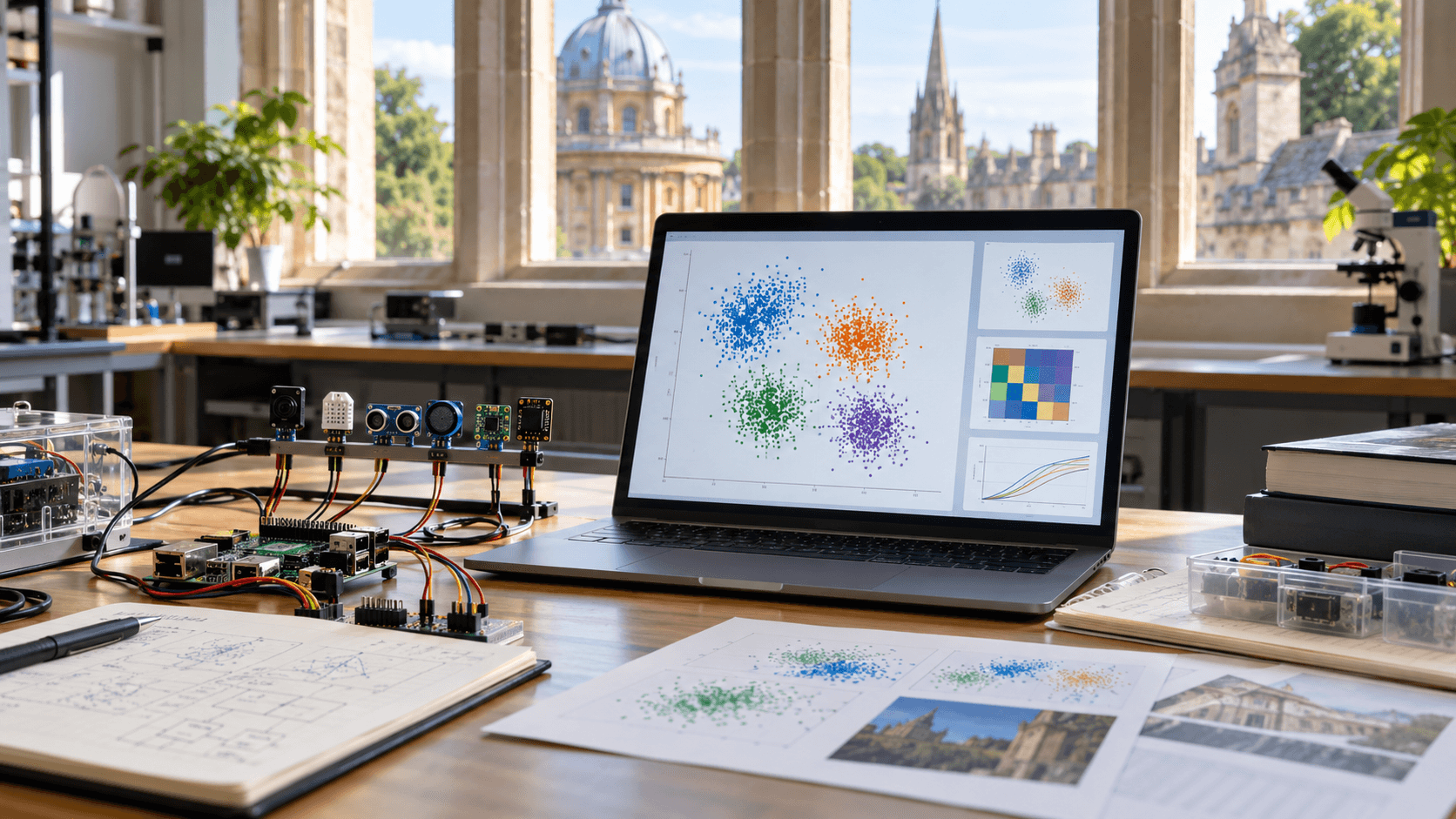

Students build and evaluate non-generative AI models while developing practical skills in data preparation, computational thinking and responsible deployment.

Discover artificial intelligence, coding, data science, digital and cybersecurity while exploring how technology is shaping the future.
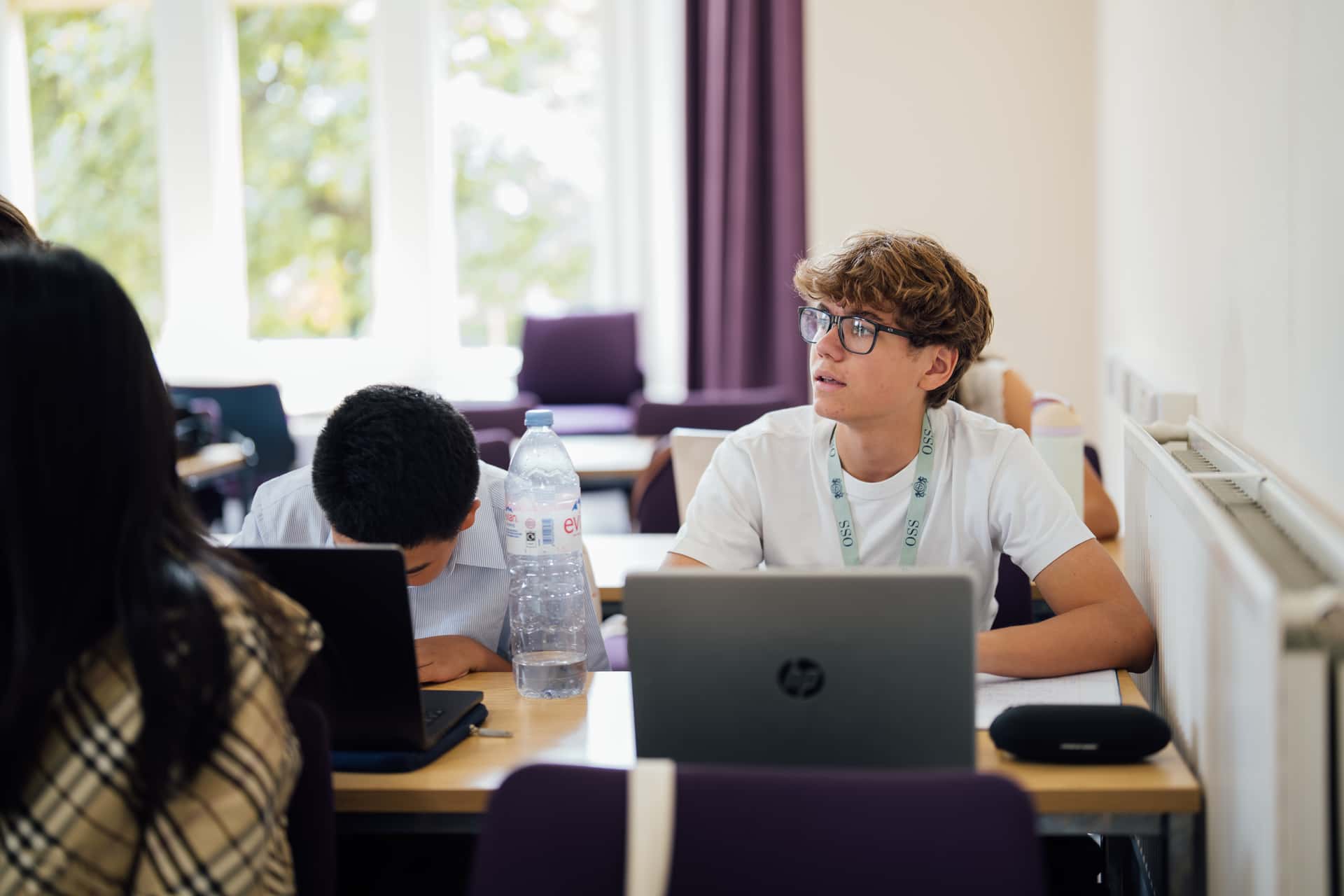

Explore the world of STEM through an engaging Oxford and Cambridge summer programme for ages 14–15. From mathematics and physics to computer science and engineering, students experiment, solve problems, and discover how scientific ideas become real-world innovations.


Are you fascinated by rockets and robots? Do you love playing with computers? On this technology summer course, you’ll learn how websites are built using different coding languages, design a rocket using practical applications of maths and physics, and build your own hydraulics system.

Join Reach Cambridge's Computer Science course to hone programming and mathematical skills in the birthplace of modern computing, inspired by Charles Babbage


Explore what powers the digital world and drives modern innovation. This course invites students to delve into the foundations of computer science, coding, and the ethics of artificial intelligence, discovering how technology transforms the way we live and think. Perfect for curious minds ready to explore the future of tech.
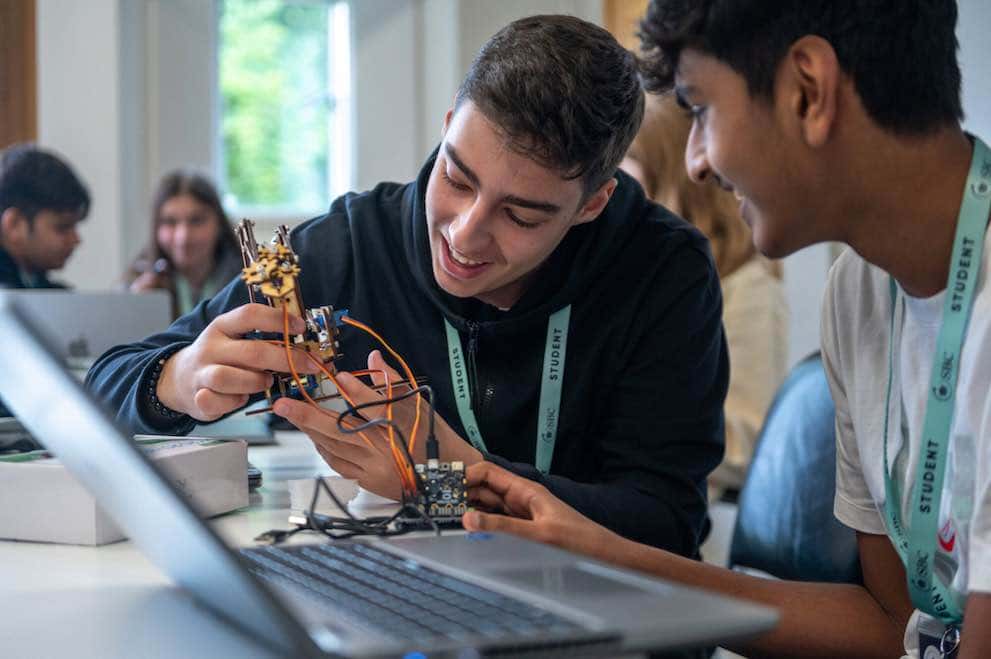

A careers course in London for students aged 12 to 16, sampling medicine, finance, business, computing, AI and engineering through simulations. Delivered with InvestIN.
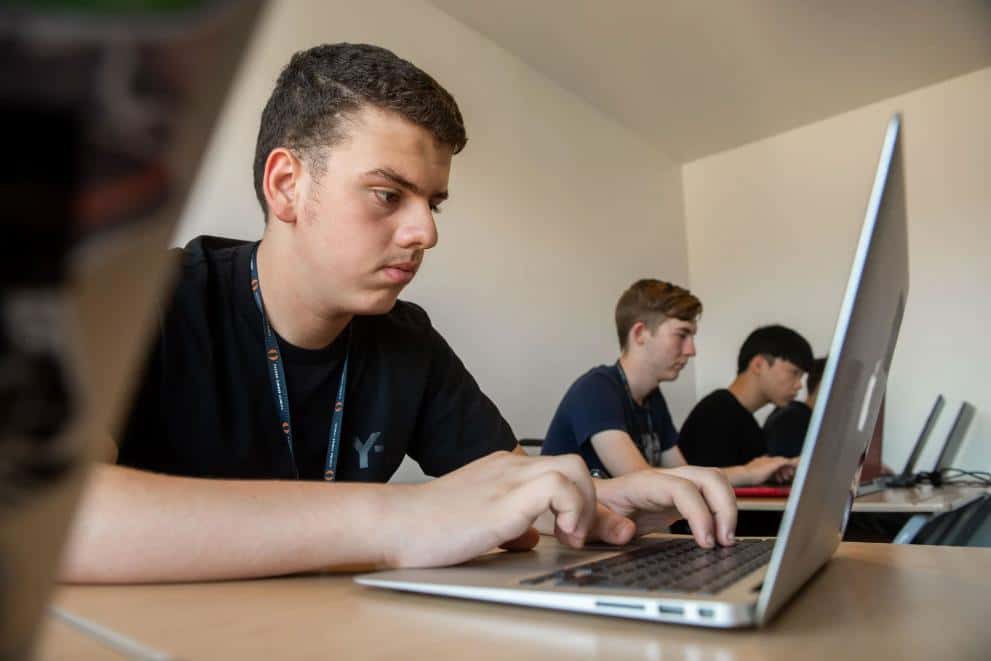
The Computer Science summer school at Atlas Summer Courses offers small-group tutorials for students aged 18–24, with fees from £5,495 for our Non Residential option.
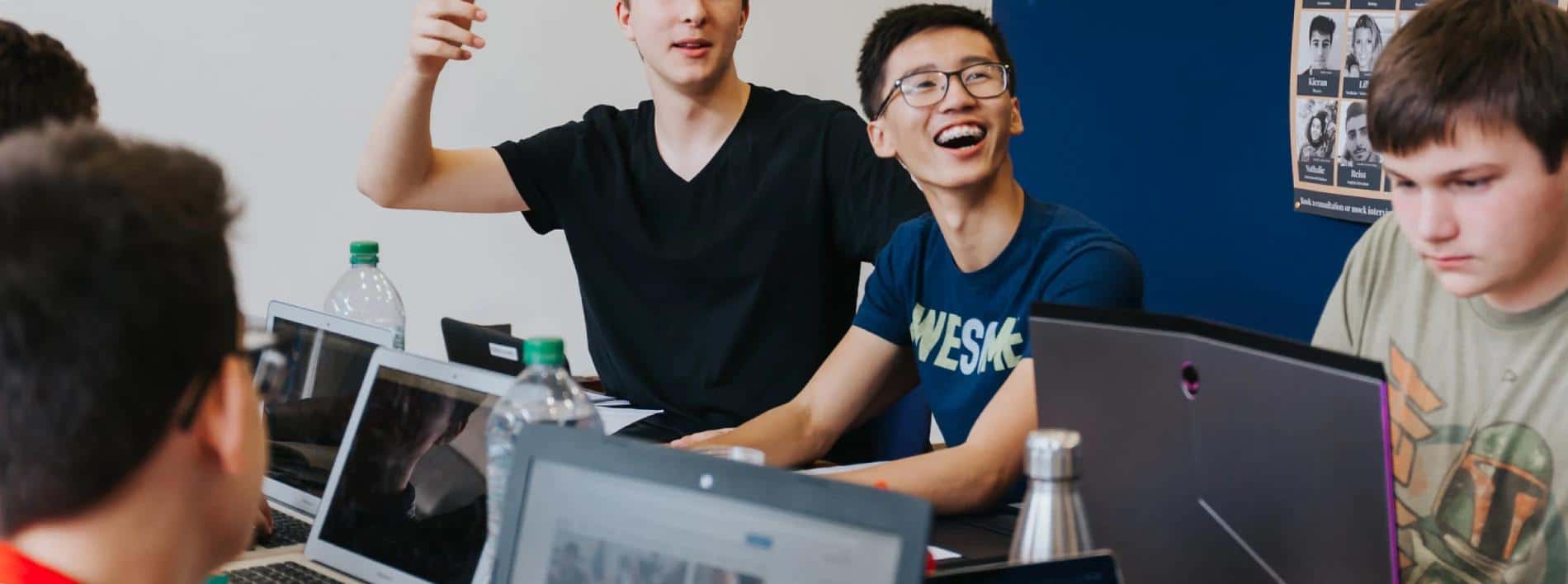
Take your first steps into the world of computer science in Cambridge, a city at the cutting edge of technology and innovation.
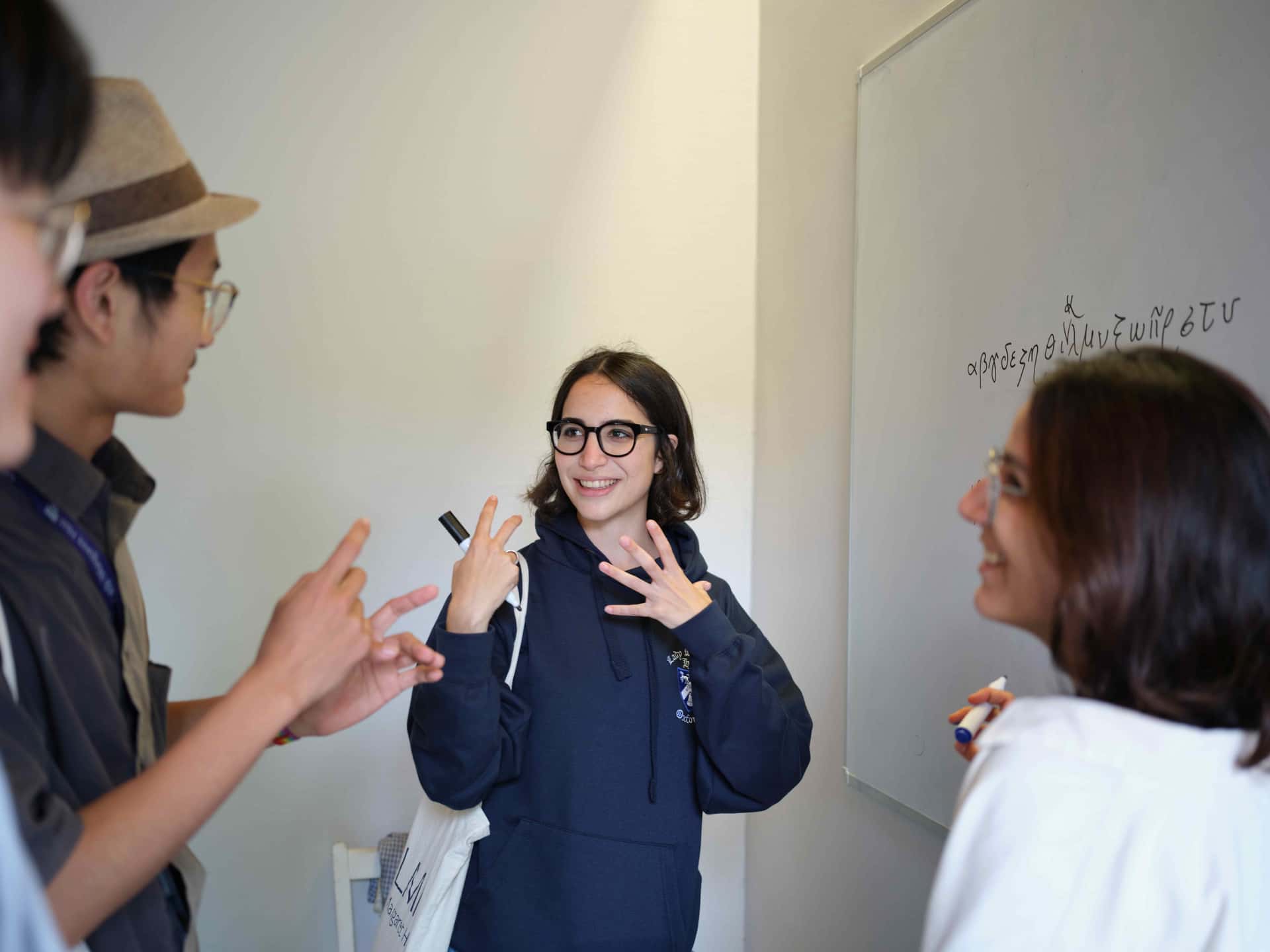
Join this course to explore the universe at the smallest distances and highest energies where quantum mechanics and special relativity collide. Over the course of 3 weeks of lectures from world-experts and hands on seminars, students will join the particle physicists from the Large Hadron Collider's ATLAS experiment in analysing real proton collisions from the world’s largest machine - uncovering the secrets of the building blocks of the universe.
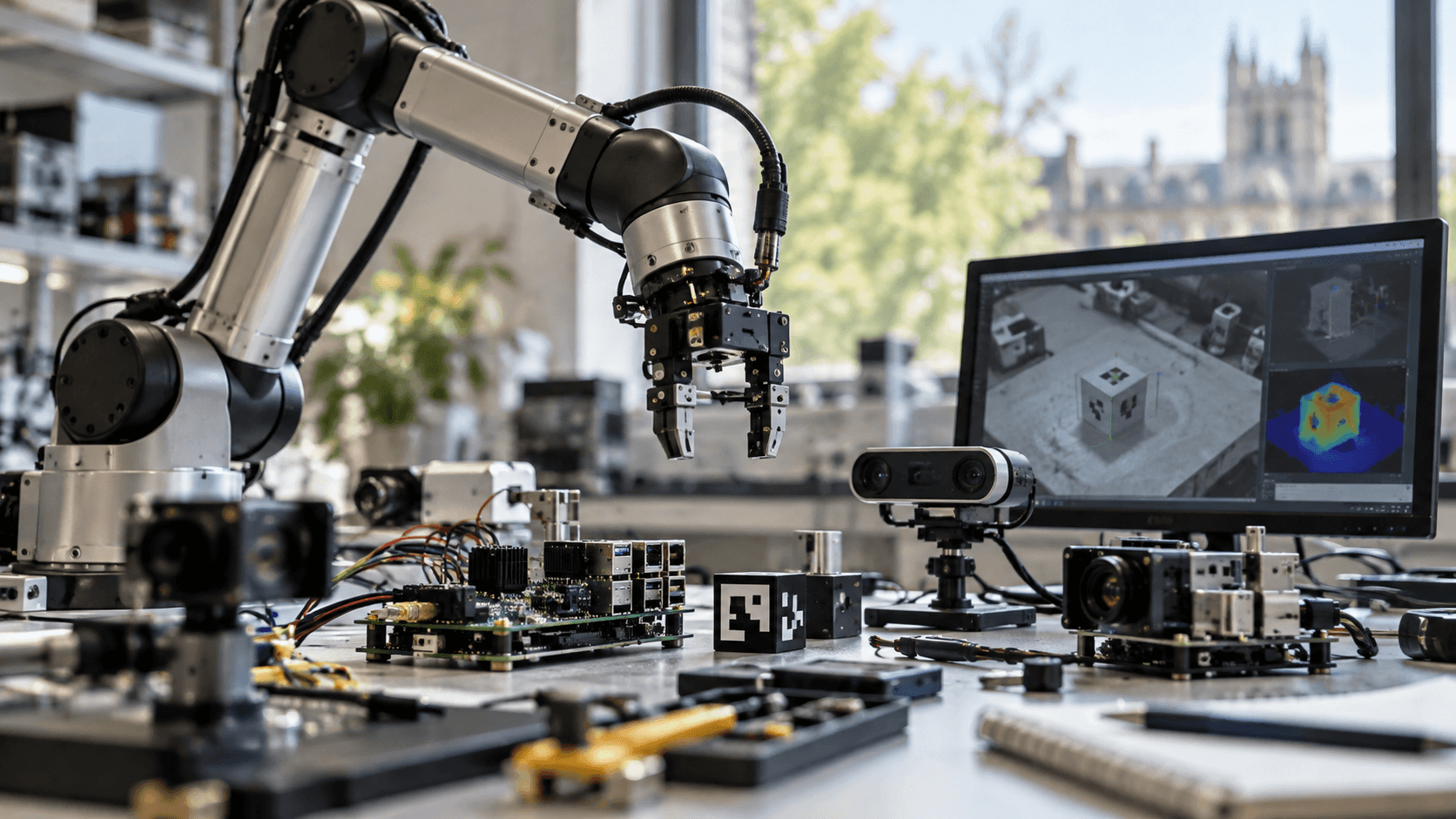
Students investigate the history, applications and ethics of artificial intelligence in Cambridge, including the role of algorithms, robotics and automated decision-making.

Take your STEM interests beyond the school curriculum with an intensive Oxford and Cambridge summer programme for ages 16–19. Explore mathematics, physics, engineering and computer science through university-style teaching, advanced problem-solving and real-world applications.
If you’re fascinated by computers and information technology, this computer science summer course is a great option. You’ll develop your knowledge of programming languages and put your skills to the test by designing a website. You’ll also learn about the development of computing throughout history and explore the future of Artificial Intelligence.

A two-week STEM faculty in Cambridge for students aged 14 to 17. Students work across physics, chemistry, biology, computing and engineering while developing their English.
Develop advanced computing skills in Cambridge, a city known for pioneering technology and research.
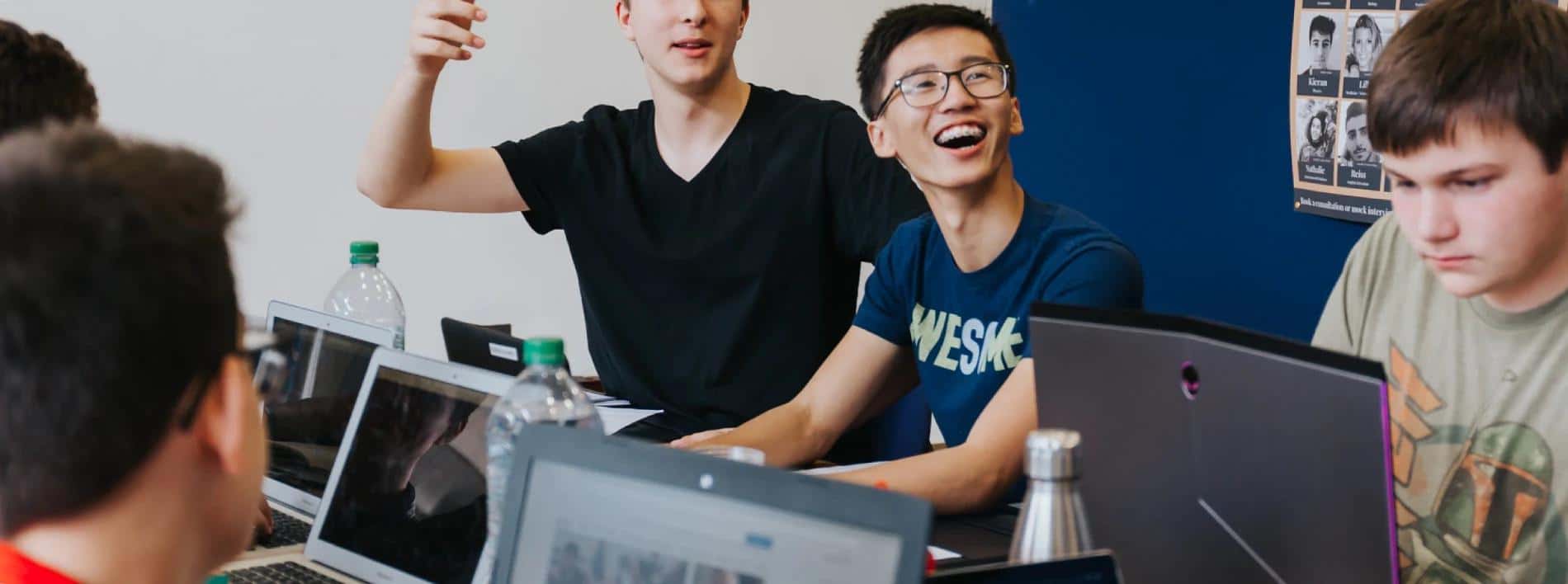
Begin your computing adventure in Oxford, a city at the forefront of technological innovation.

Build the digital tools of the future in Sydney, a growing hub for tech innovation and software start-ups. Click to learn more.
