Destinations are ordered by available course matches.
The Cambridge Tradition Summer School for Grades 10-12
The Cambridge Tradition, offered by Oxbridge Academic Programs for students in grades 10-12, provides diverse academic courses and cultural immersion at Cambridge University.
Duration2 or 4 weeksDates9 Jul – 6 Aug 2027 +2CampusJesus College CambridgeAge range15-18Fees$7,850 – $13,595
The Cambridge Tradition, held at Jesus College, University of Cambridge, is an enriching high school program for students in Grades 10-12. This program offers unique courses such as Aerospace Engineering, Medicine, and Psychology in two-week sessions. With costs starting at $7,125 for a single session, students experience a blend of academic rigor and cultural immersion. Tuition covers accommodation, meals, and educational activities.
Participants can extend their experience with the optional Barcelona Connection. The program emphasizes hands-on learning, cultural exploration, and personal growth, making it an ideal choice for ambitious high school students.
Programme Highlights
Esteemed Faculty: Learn from distinguished university professors and experts
Engaging Subjects: Choose from intellectually stimulating two-week courses
Interactive Learning: Participate in debates, discussions, and hands-on projects
Inspiring Location: Study at the University of Cambridge
International Perspective: Learn alongside students from diverse backgrounds
Cultural Exploration: Experience Cambridge's history and heritage
Academic Growth: Develop critical thinking, research, and presentation skills.
What's included
All tuition and class materials
Accommodation
Breakfast and dinner daily
Airport transfers
Full cultural and activities programme, including excursions
Where You'll Study
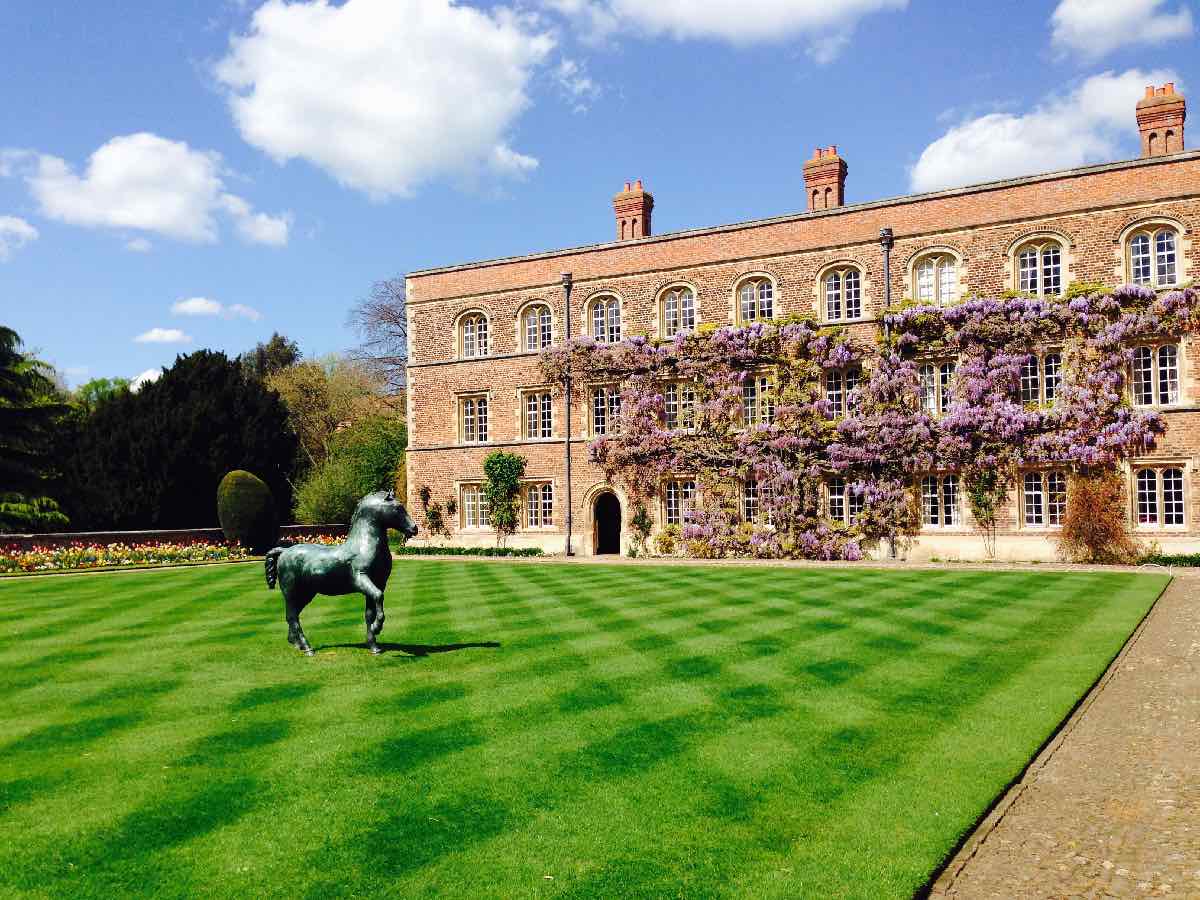
Jesus College Cambridge
Jesus College, one of largest of the 31 autonomous colleges that make up the world-famous University of Cambridge, was founded in the 12th century and radiates history and tradition. Its buildings are nothing short of magnificent and its...
Available Sessions
Compare available dates, duration, campus, fees and availability. Open a session for accommodation details.
Programme sessions with dates, duration, campus, price, availability and accommodation details.
Session
Dates
Duration
Price
The Cambridge Tradition | Combined Sessions | 2027
9 Jul 2027 - 6 Aug 2027Enrolling now
28 days
US$12,995
The Cambridge Tradition | Session 1 | 2027
9 Jul 2027 - 22 Jul 2027Enrolling now
13 days
US$7,850
The Cambridge Tradition | Session 2 | 2027
24 Jul 2027 - 6 Aug 2027Enrolling now
13 days
US$7,850
Oxbridge Academic Programs
A unique, pre-college summer experience for ambitious students, residential in the finest historic colleges of the Universities of Oxford and Cambridge.
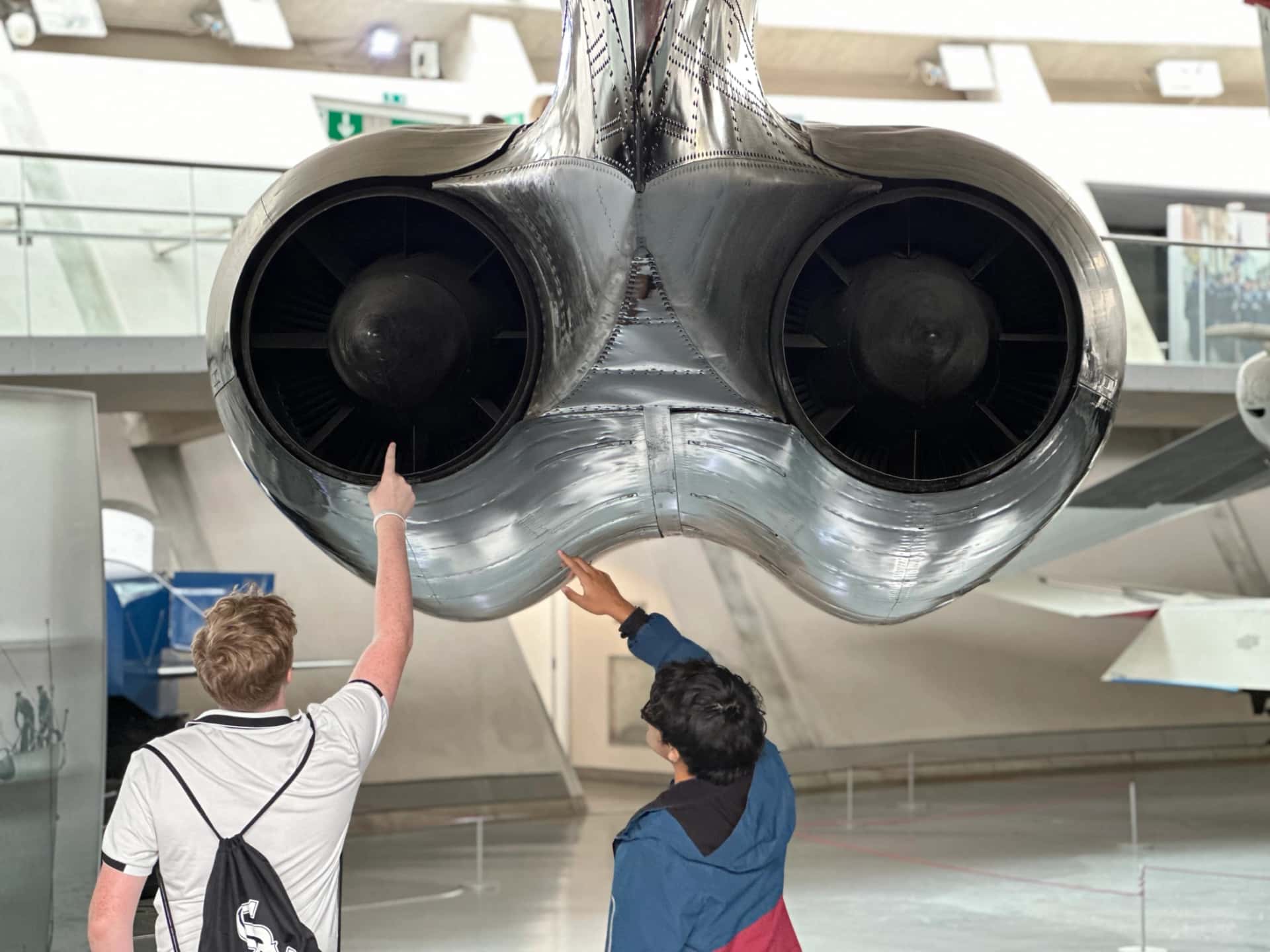
Aerospace Engineering is quite literally "rocket science!" Participants examine the disciplines most important to the industry, including aerodynamics, electronics, mechanics, operations systems, statistics, and thermodynamics. The course culminates with the replication of real design offices of aircraft and spacecraft companies. Students go through every stage in the creation of a new vehicle, including aerodynamic profiling, engine sizing, and structural design.
Barcelona is an architect's dream: from the city's ancient Gothic Quarter, to Gaudí's spectacular Modernismo. Students will discover two thousand years of urban development, from Roman ruins to FC Barcelona's majestic new stadium, while learning how to transform their own ideas into models.
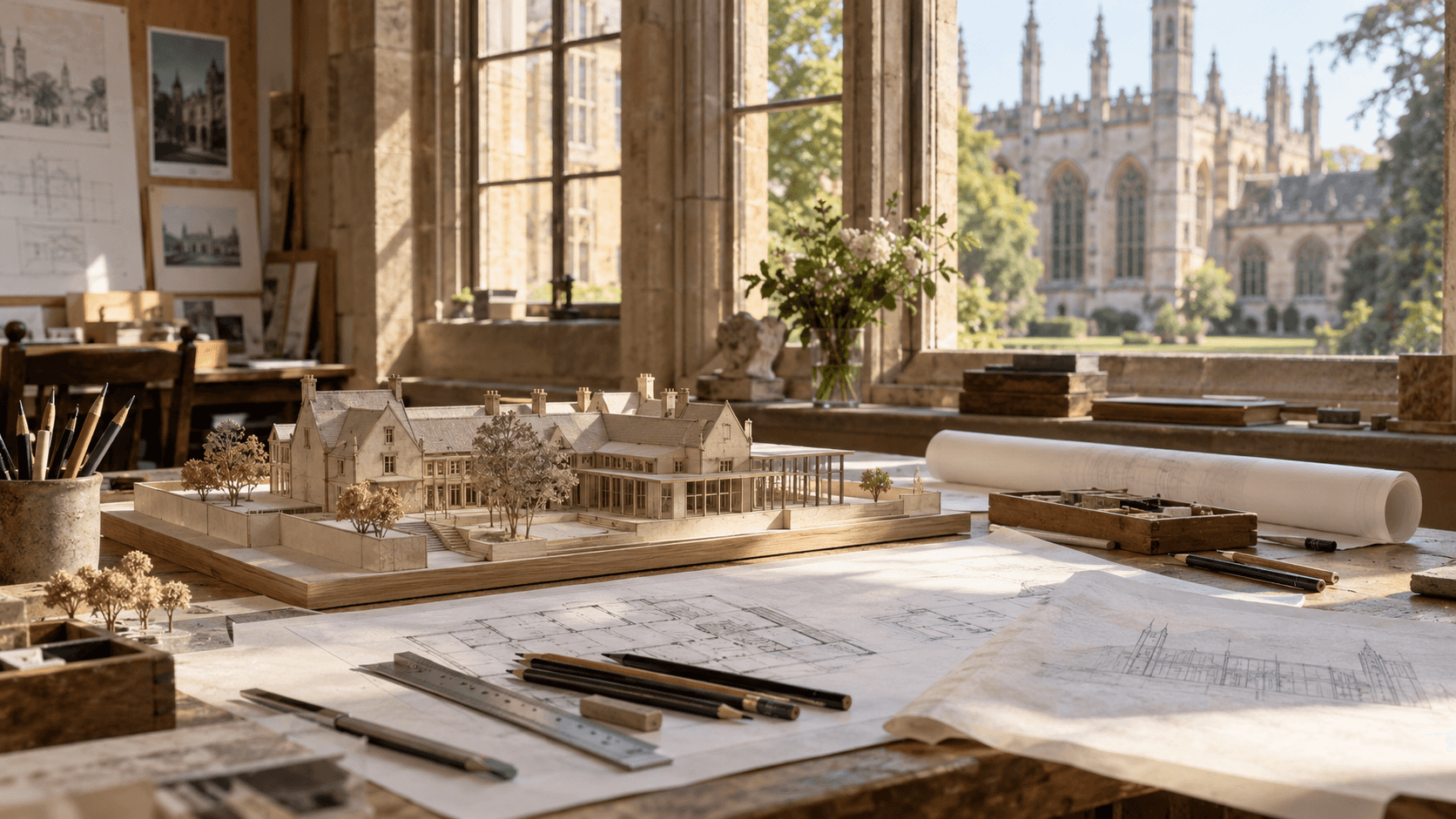
Students use Cambridge’s architectural heritage to study design, aesthetics and model-making, producing sketches and a three-dimensional project for exhibition.
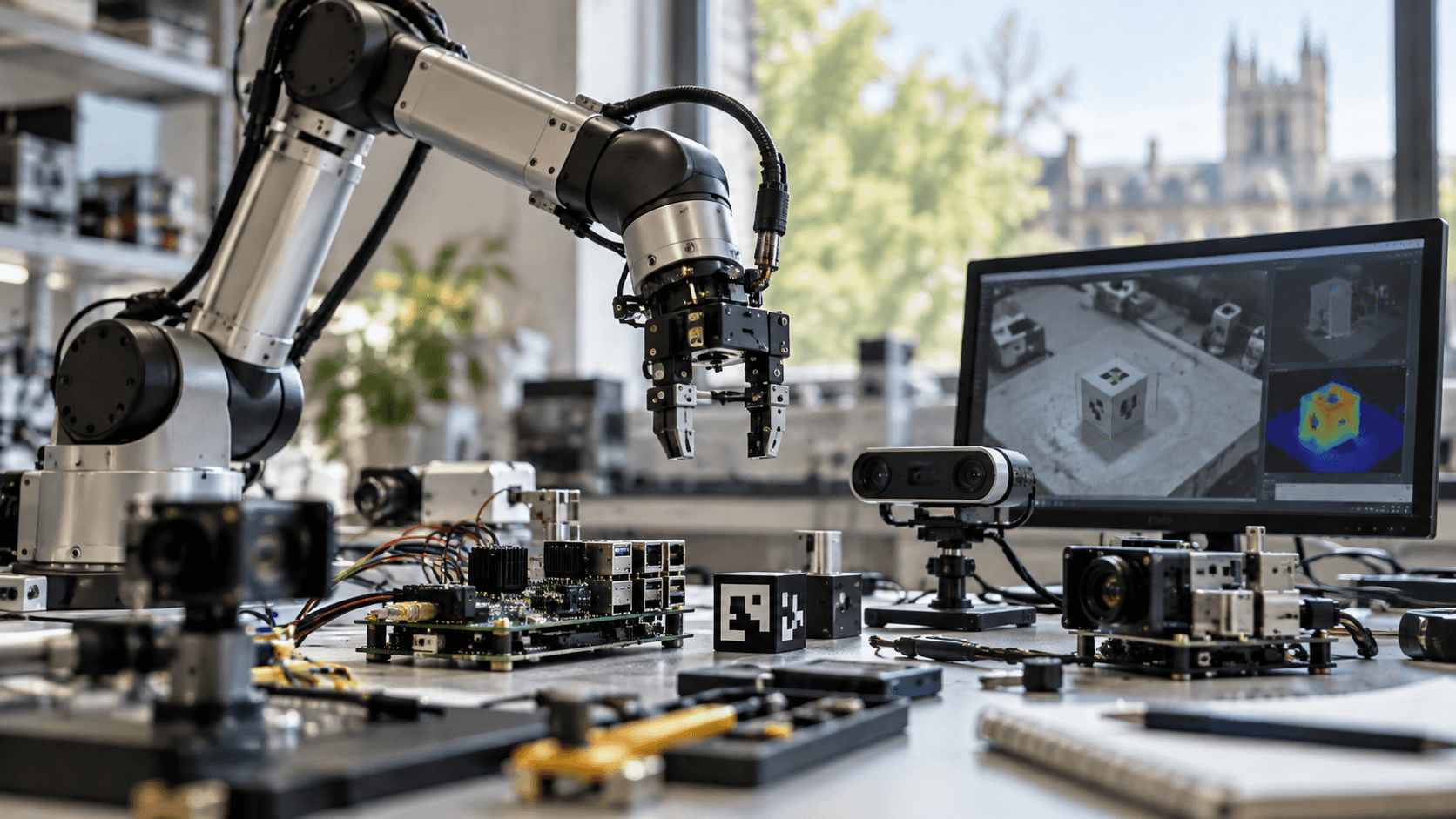
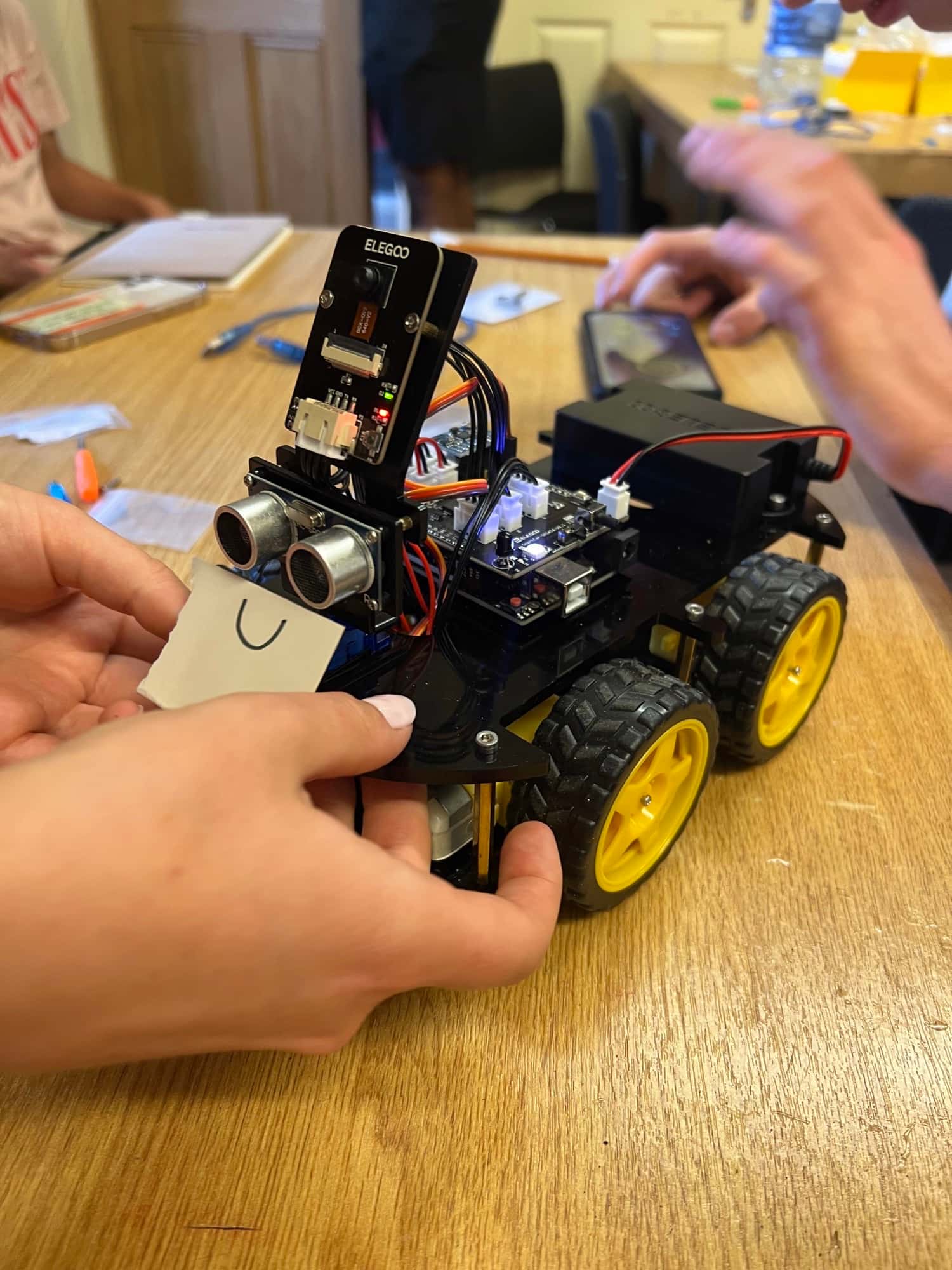
Students investigate the history, applications and ethics of artificial intelligence in Cambridge, including the role of algorithms, robotics and automated decision-making.
Cambridge is the ideal observatory from which to explore fundamental questions about the universe. How did it all begin, and what is our place within the universe? What is time, and will it ever come to an end? This course takes students on a journey through space, from the infinitesimally small to the unimaginably large. It addresses topics including the Big Bang, galaxy formation, the history of our own solar system, orbital mechanics, and string theory.
Mixing economics with psychology and game theory, this course seeks to understand what drives individual economic decisions. What psychological and emotional factors induce people to buy a $5 cup of coffee? How can we explain consumers' decisions when they depart from the expectations of standard economic models? How do risk and uncertainty impact people's spending? Students investigate areas such as luxury goods, healthcare, insurance, and labor while considering how psychology affects economic decision-making.
How do business organizations start, grow, and thrive? What analytical, interpersonal, and technical skills are required to address the problems facing companies of all sizes? How can a company be successful and operate ethically? This course includes visits to local businesses and the Cambridge Business School, and covers a diverse range of topics that includes economics, finance management, information technology, marketing, law, and purchasing. It culminates in the creation of a business model.
Through workshops, debates, and visits to police stations and criminal courts, students explore individual and social theories of crime, philosophies of punishment, criminal profiling, incident analysis, and basic forensic science. They consider the causes of crime, the influence of the media upon crime, and issues of race, inequality, and gender within the context of the British and American criminal justice systems.
The object of this course is to introduce students to the main concepts in Game Theory, to expose them to the way in which game theory helps explain how decision-makers arrive at their decisions, and why they often fail to make the right ones. Alongside, students will be introduced to different games, from Nash's bargaining game to the Prisoner's Dilemma, and to the way in which Game Theory is applied to Economics and, increasingly, the Social Sciences, International Relations, Biology, Computing, and AI, to name but a few of the disciplines it informs.
Students are exposed to the mechanisms, institutions, and principles that underpin modern business. They address the main business principles of strategic planning, marketing, economics, finance, accounting, and management. Concepts covered include SWOT analysis, developing a marketing strategy, as well as working through how to create a product-centered company and draft a business plan. For their final project, they create a mock company that they present in a "Shark Tank", mirroring the high-pressure, quick-tempo presentations used at colleges, business schools, and startup incubators around the world.
Students examine international commerce, free enterprise and economic development through case studies, a start-up project and exposure to Cambridge’s Judge Business School.
Regardless of their interests, students gain a better understanding of how to take action and lead. Interactive workshops on goal-setting, communication, negotiation, and team-building form the core of this course. Students explore case studies drawn from history and business and meet with leaders from different walks of life to gain a perspective on what it takes to lead successfully in any arena, to discover what they have to offer, and to develop confidence about their skills.
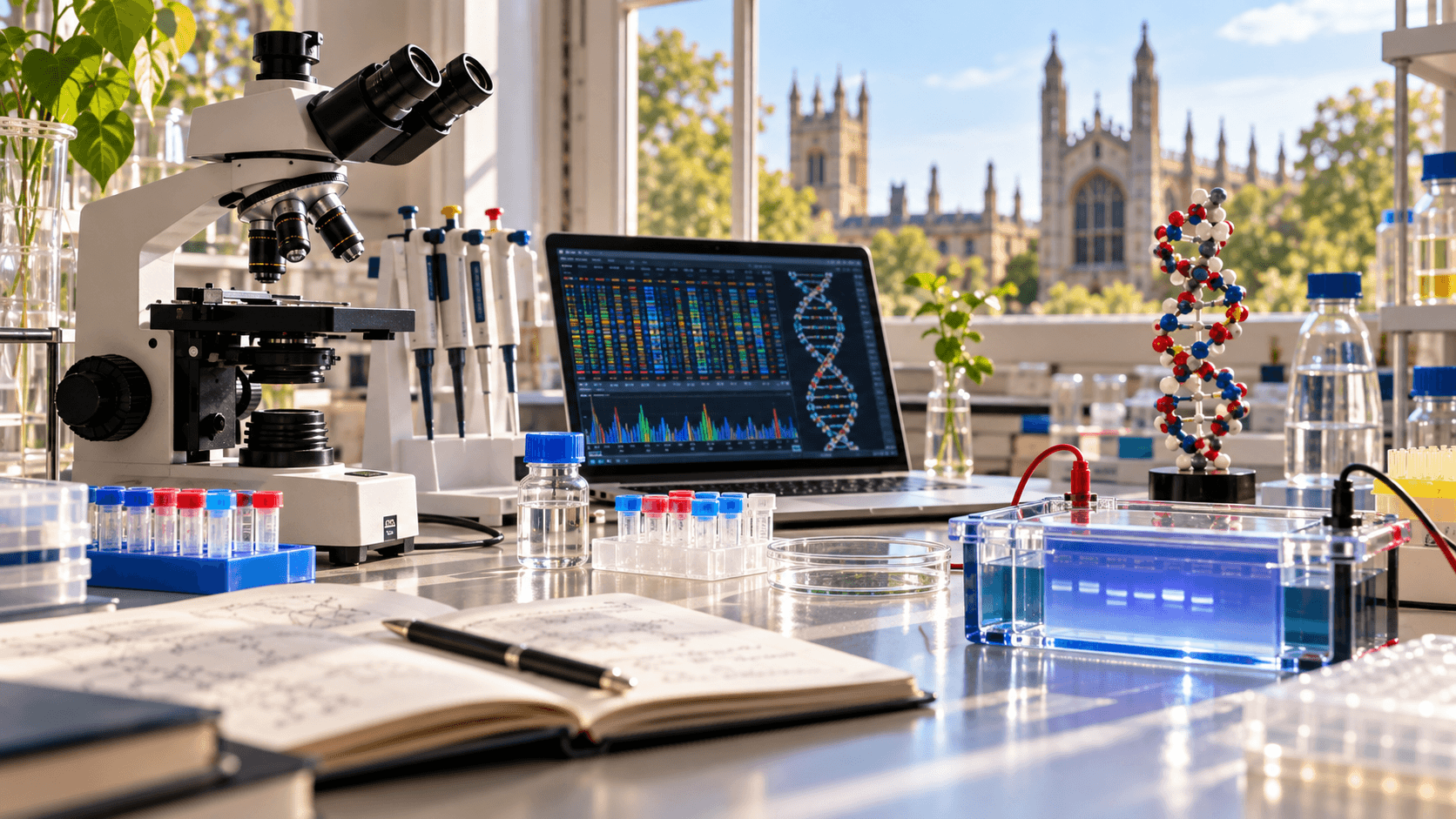
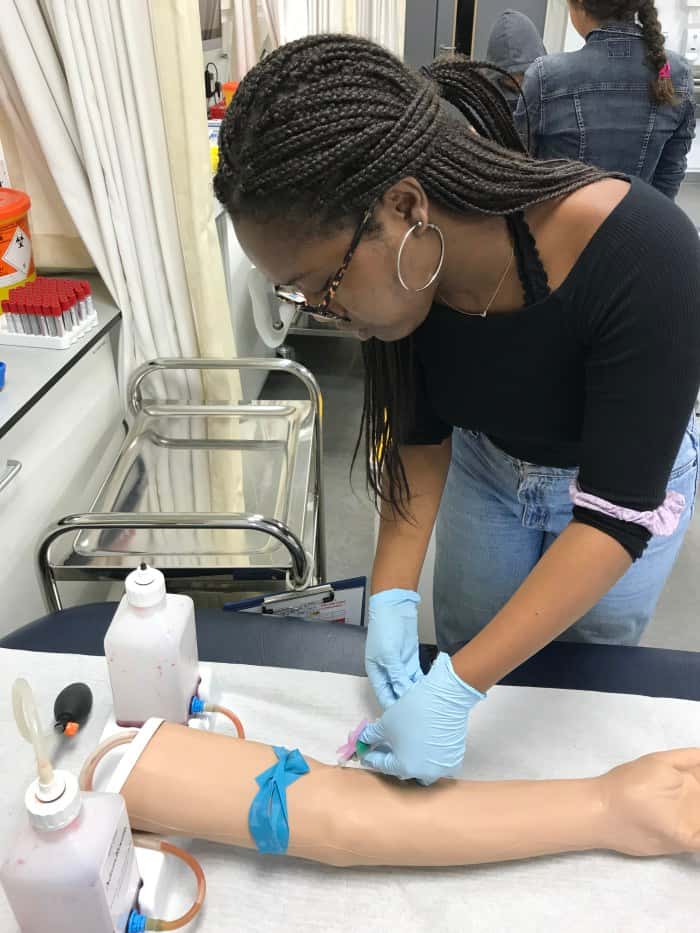
This hands-on course introduces students to key aspects of medicine and modern medical practice. Combining specialist lectures with experiments and class discussions, students learn the main principles of human anatomy and physiology, the pathology and significance of certain diseases, the main challenges that medical science faces today, and the variety and changing nature of careers in medicine.
In this course, students examine the development of the specialty of neuroscience. They learn the main principles of cognitive psychology, neuroanatomy and neurophysiology, and clinical methods and practices. They also explore the technology behind diagnostic tools like CT and MRI scanners.
At the University in which the world's most famous fictional spy, James Bond, studied, this course, which blends politics and history with practice, examines the methods and techniques of the world's most infamous services-Mossad, the KGB, the CIA, MI5, and MI6. Students address the future of intelligence operations, the challenges of field work, and the ethics of espionage in terms of international cooperation, competition, and conflict.
This course explores three main areas of sports medicine: biomechanics; sports psychology, and exercise physiology, including diet, fitness regimes, and the effects that artificial substances, such as steroids, have on the human body. Students also explore the ethical questions surrounding the use of special surgery and doping in sports.
Our programs take place in university residences or, in the case of our Paris program, at a centrally located boarding school. Each program has single and double rooms available and we are happy to take requests for single rooms or roommates via email. In the UK, students can purchase a private bathroom for an additional fee. In Barcelona, each room is equipped with an en-suite bathroom. In Paris and New York, there are shared facilities on each floor.
How many hours of tuition are provided?
Students spend 21 hours in class on the one-week programs, 45 - 50 hours in a class on a two-week program (depending on the age group), and 90 -100 hours on a four-week program (depending on the age group).
Are airport transfers provided?
Yes! We can meet students at the following airports: UK programs: Heathrow or Gatwick New York: La Guardia, JFK, or Newark Barcelona: Barcelona El Prat Paris: Charles de Gaulle or Orly We will bring students back to these airports at the end of the program as well and make sure they are checked in at the correct airline desk, help them check their bags, and bring them as far as security. A staff member will also remain at the airport until the last student’s flight departs.
What level of English do I need?
Our programs are conducted primarily in English, and our programs in Oxford and Cambridge are taught exclusively in English. We want to ensure that our students can integrate fully and feel comfortable with the program community.
In France or Spain, immersion courses are taught exclusively in French or Spanish, but program information, materials, and literature are all available in English. We are happy to have a short conversation with prospective students to make sure they will be able to follow the courses in English, so please feel free to contact our Admissions office if you’d like to speak with us, or if you have any questions.
What supervision is provided?
We hire a team to work at the programs and look after the students. This team consists of a program director, 3-4 deans, 3 program assistants, and 3-4 activities directors. The program director and deans are professional educators who come from reputable schools across the US, UK, Canada, and Australia. They are experts in working with students in these age groups. The onsite team sets up a program office in the week leading up to the program.
Parents will be able to call and email the program office if they have any questions or concerns while their child is at the program. Each evening, students must check in with one of our Deans in the program office between 9 and 10 pm on the Experience programs and between 10 and 11 pm on each of the other programs. This is a great time for students to let the program staff know if they have any questions, or if they need something.
Students typically spend their mornings in class and on each program except for the one week seminars, students will have afternoon classes three days a week. We plan a wide range of optional chaperoned activities for students to take part in when they are not in classes.
The activities directors and program assistants are typically university students who know the city well. The program assistants help out with administrative duties in the program office and the activities directors plan the afternoon and evening activities - they, along with the program director and deans, reside at the residence where the program is taking place, so there is always an adult nearby if a student needs something.
What visa do I need and how do I get it?
Students from certain countries may need to apply for a tourist visa in order to attend our programs. Our Admissions team can provide these students with a letter of support for their visa application once they have been accepted into the program.
Is course insurance provided?
We offer both a Tuition and Travel Protection Plan and a Full Refund Program. You can find more information regarding the Tuition and Travel Protection Plan here: https://oxbridgeprograms.com/ttpp/. There will be more information about each of these options within the application and families will also have the option to purchase them after submitting the application.
Will I get a certificate?
Yes! Each student receives a comprehensive grade report at the end of the program with a write up from their lecturer detailing their performance during the course as well as a letter grade.