Explore marine sciences through structured summer programs.
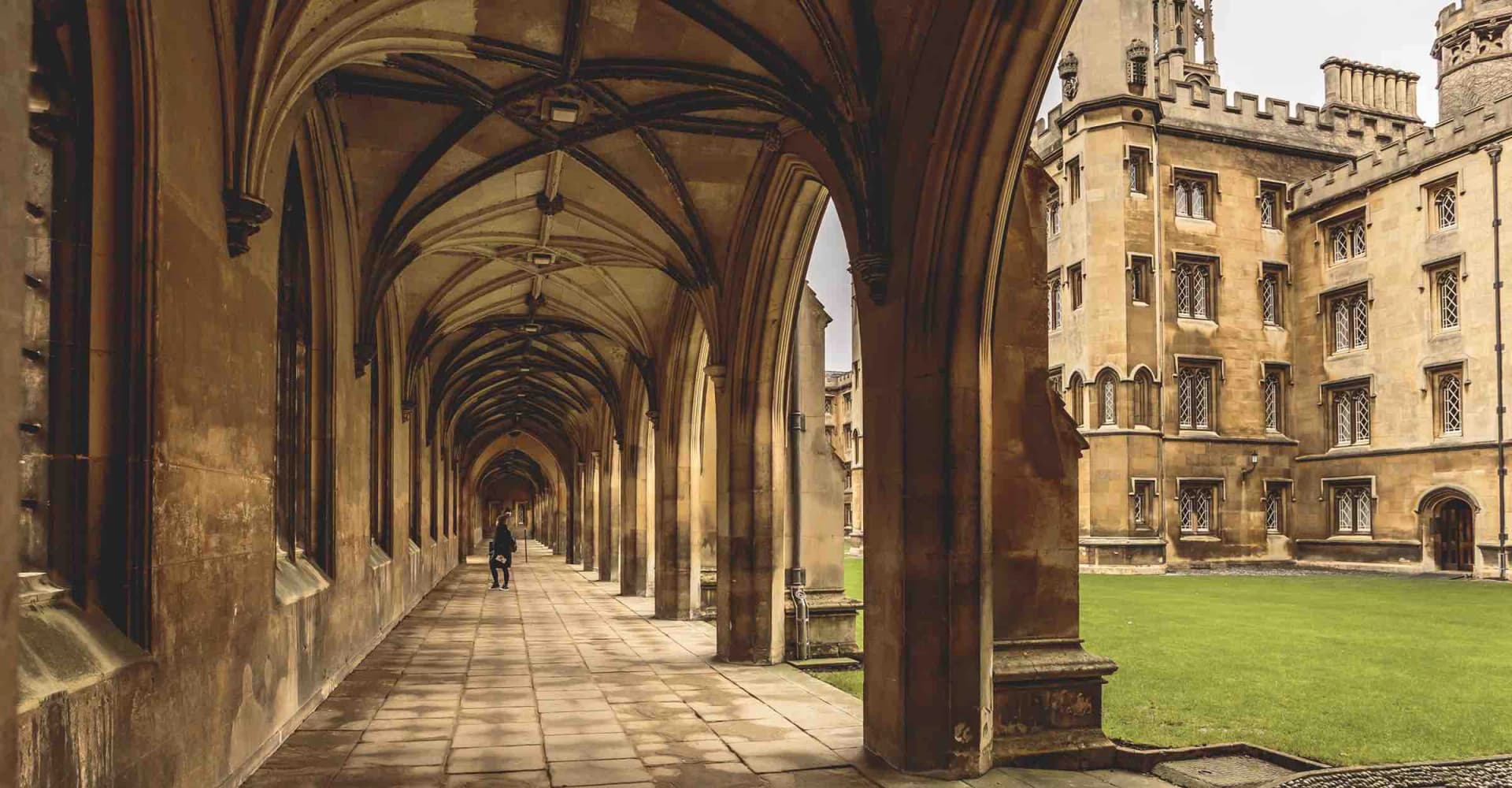
The study of marine biology and oceanography is vital for understanding the complexities of ocean ecosystems and their impact on global environmental health. This guide presents a selection of distinguished summer schools for 2027, designed to provide rigorous academic experiences in these fields. Participants will engage with expert faculty and benefit from hands-on learning opportunities that enhance their knowledge and skills in marine sciences.
Choosing a summer school
Compare age requirements, campus locations, dates, duration and published fees. Check the subjects available and whether accommodation, meals and activities are included. Providers may hire university or school facilities independently; confirm who runs the programme and what the fee covers before applying.
No contact details needed to see your suggestions.
Prefer to browse all programmes?Choose up to two things that matter most.
A broad selection of programmes is available, varying in depth, workload and course design across providers.
The teaching approach in marine biology and oceanography summer schools emphasizes an interdisciplinary framework that interlinks various scientific principles with a focus on real-world applications. Unlike typical school curricula, which may prioritize theoretical knowledge, these programs often engage students in hands-on learning experiences that foster critical thinking and problem-solving skills. Core themes include ecosystem dynamics, marine organism behavior, and environmental conservation, all taught within a context that encourages inquiry and exploration. The academic value lies in the depth of subject matter coverage and the integration of practical research methodologies, preparing students for advanced studies in the field.
A structured yet dynamic study rhythm characterizes the experience in marine biology and oceanography summer schools. Students typically engage in a blend of lectures, collaborative projects, and independent research, allowing for a balanced approach to learning. The classroom atmosphere often fosters collaboration and discussion, encouraging participants to share insights and work together on complex problems. Independent work is integral, providing students with the opportunity to delve deeper into specific topics of interest. Overall, the experience is designed to be immersive and intellectually stimulating, cultivating a passion for marine sciences.
Programs in marine biology and oceanography are generally suitable for a wide range of students, from high schoolers to undergraduates seeking to deepen their understanding of the marine environment. Expectations typically include a readiness to engage with complex scientific concepts and a willingness to participate actively in both classroom discussions and fieldwork. While specific age restrictions may vary, the focus remains on fostering enthusiasm for marine science among all participants.
Distinctiveness among the best marine biology and oceanography summer schools lies in their tailored curriculum and the intensity of the learning experience. Some programs may offer a more research-oriented focus, while others emphasize fieldwork and practical applications. Variations in duration also play a crucial role; shorter programs might concentrate on specific topics, whereas longer ones typically provide a broader exploration of marine systems and research methodologies. Such differences cater to diverse learning preferences and academic goals, ensuring that students find a program that aligns with their interests.
Compare current published courses by provider, campus, ages, dates and price.
| Course | Provider | Campuses | Ages | Dates | Price | Duration |
|---|---|---|---|---|---|---|
| Biology (13-15 years old) | Atlas Summer Courses | Oxford University Colleges | 13-15 | 27 Jun – 10 Jul 2027 | £5,495 – £9,995 per session | 14 days |
| Biology in Cambridge for Ages 16-18 | Immerse Education | Cambridge University Colleges | 16-18 | 11 Jul – 24 Jul 2027 | £7,495 | 2+ weeks |
| Biomedical Engineering | Oxbridge Academic Programs | Oxford University Colleges, Pembroke College, Oxford | 15-18 | 2 Jul – 30 Jul 2027 | See course | See course |
| Future Scientists at Headington Oxford | Summer Boarding Courses | Headington School | 12-16 | 12 Jul – 9 Aug 2027 | From £4,795 residential / £3,495 non-residential (2 weeks) | 2 or 4 weeks |
| Medicine, Biomedical & Human Sciences | Oxbridge Scholars | Murray Edwards College, University of Cambridge, Queens' College, Cambridge | 14 - 17 | 4 Jul – 17 Jul 2027 | £5,988 per programme | 13 days |
| Medical and Biological Sciences for Ages 14-15 | Oxbridge Summer Scholars | Oxford University Colleges, Cambridge University Colleges | 14-15 | 6 Dec – 19 Dec 2026 | December: £6550 | July-August: £6950 | 2 weeks |
| Biotechnology | Reach Cambridge | Cambridge University Colleges | 14-18 | 4 Jul – 31 Jul 2027 | £6,295.00 - £18,495.00 | 2, 4 or 6 weeks |
| Medicine, Health and Innovation | Sapphire Education | University of Bath | 14-18 | 4 Jul – 17 Jul 2027 | £4,500 | 2 weeks (13 nights) |
| Bio-Tech & Future Medicine | Spark to Connect in Partnership with Saïd Business School | Oxford University Colleges, New College | 15–18 | 2 Jul – 15 Jul 2027 | £7,995 residential / £5,995 non-residential per 14-day LAB | 14 days |
| Science & Experiments (15-17 years old) | St Clare’s Oxford | Oxford | 15-17 | 27 Jun – 11 Jul 2027 | Residential £3,980; non-residential £2,610 | 2 weeks |
| Biology (16-17 years old) | Atlas Summer Courses | Oxford University Colleges | 16-17 | 27 Jun – 10 Jul 2027 | £5,495 – £9,995 per session | 14 days |
| Biology in Oxford for Ages 16-18 | Immerse Education | Oxford University Colleges | 16-18 | 4 Jul – 17 Jul 2027 | £7,495 | 2+ weeks |
Compare published best marine biology & oceanography summer schools 2027 by provider, campus, age range, dates and price. Fees are published summaries: check the currency, session length and accommodation inclusions on each programme page. Confirm exact age eligibility, availability and the teaching venue with the provider before booking.
| Programme | Provider | Campuses | Ages | Dates | From Price | Courses Available |
|---|---|---|---|---|---|---|
| Authentic Oxford & Cambridge Experience for Teens & Young Adults Authentic Oxford & Cambridge Experience by Atlas Summer Courses immerses high school students in diverse acade... | Atlas Summer Courses | Oxford University Colleges, St Hilda’s College | 13-24 | 27 Jun – 31 Jul 2027 | £5,495 – £9,995 | 53 courses |
| Academic Insights in Oxford & Cambridge University-style summer programmes in Cambridge and Oxford for ages 13–18, combining academic rigour, world-cl... | Immerse Education | Oxford University Colleges, University College London | 13-18 | 27 Jun – 14 Aug 2027 | £5,995 – £7,495 | 64 courses |
| The Oxford Tradition Summer School for Grades 10-12 Oxford residential study for grades 10-12, available as one two-week session or a combined four-week program a... | Oxbridge Academic Programs | Oxford University Colleges, Pembroke College, Oxford | 15-18 | 2 Jul – 30 Jul 2027 | $7,850 – $13,595 | 29 courses |
| Headington Oxford Summer School An academic and English summer school in Oxford for students aged 12 to 16, with six courses to choose from an... | Summer Boarding Courses | Headington School | 12-16 | 12 Jul – 9 Aug 2027 | £2,995 – £4,795 | 6 courses |
| Oxbridge Pre-University Taster Summer Programme 2027 An immersive Oxbridge Pre-University Taster Summer Programme combining university-level learning, practical pr... | Oxbridge Scholars | Murray Edwards College, University of Cambridge, St Hilda’s College | 14 - 17 | 4 Jul – 31 Jul 2027 | £4,590 – £5,988 | 6 courses |
| Inspiring Academic Summer Courses in Cambridge Transformative summer courses for teens, combining academic studies, cultural excursions, and growth opportuni... | Reach Cambridge | Cambridge University Colleges | 14-18 | 4 Jul – 14 Aug 2027 | £6,295 – £18,495 | 21 courses |
| Spark Global Teen LABs — Oxford Five specialist LABs. Two weeks in Oxford. Explore the ideas shaping tomorrow, build a project you can be prou... | Spark to Connect in Partnership with Saïd Business School | Oxford University Colleges, New College | 15–18 | 2 Jul – 29 Jul 2027 | £5,995 – £7,995 | 5 courses |
| Summer Academic & English Programme for Teenagers in Oxford Summer English language and academic courses for teenagers aged 15-17, combining interactive learning, academi... | St Clare’s Oxford | Banbury Road Campus | 15-17 | 20 Jun – 15 Aug 2027 | £685 – £5,670 | 8 courses |
| Junior Summer School for Ages 9-14 in UK Boarding Schools The Junior Summer School with Atlas Summer Courses offers diverse academic experiences for younger learners ag... | Atlas Summer Courses | Harrow School | 9-14 | 4 Jul – 7 Aug 2027 | £2,395 | 30 courses |
| The Oxford Experience for Grades 8-9 A 26-day Oxford residential program for grades 8-9, combining a Major and a Minor with cultural activities and... | Oxbridge Academic Programs | Keble College | 13-15 | 5 Jul – 31 Jul 2027 | $12,995 – $13,195 | 27 courses |
Personal guidance
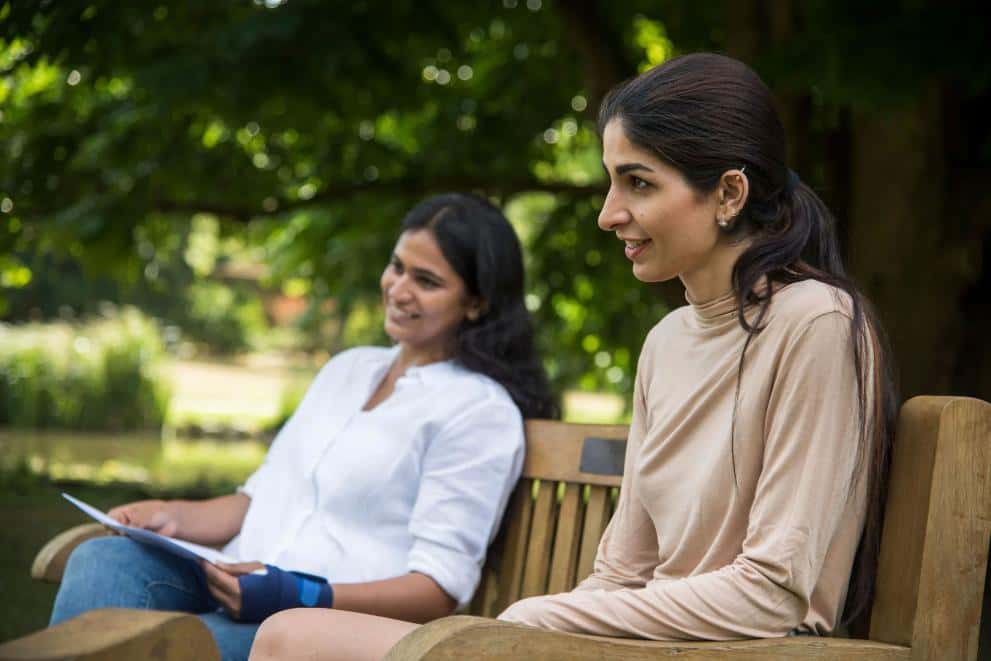

Biology for ages 13–15 in Oxford, with guided discussion, interactive classes and practice tasks.


Explore the life sciences in Cambridge, a city renowned for groundbreaking biological research.


Drawing on a range of disciplines, including Medicine, Engineering, Biology, and Computing, Biodmedical Engineers develop the systems and devices that make advances in medicine possible. On this course, students will develop a firm grasp of engineering principles and techniques while using medical case studies to discover how these are applied to solving a range of problems. The class will be exposed to various aspects of the field, from new-age prosthetics to medical imaging and drug delivery via engineering for the heart. The course will conclude with students designing and presenting a model healthcare engineering project of their own.
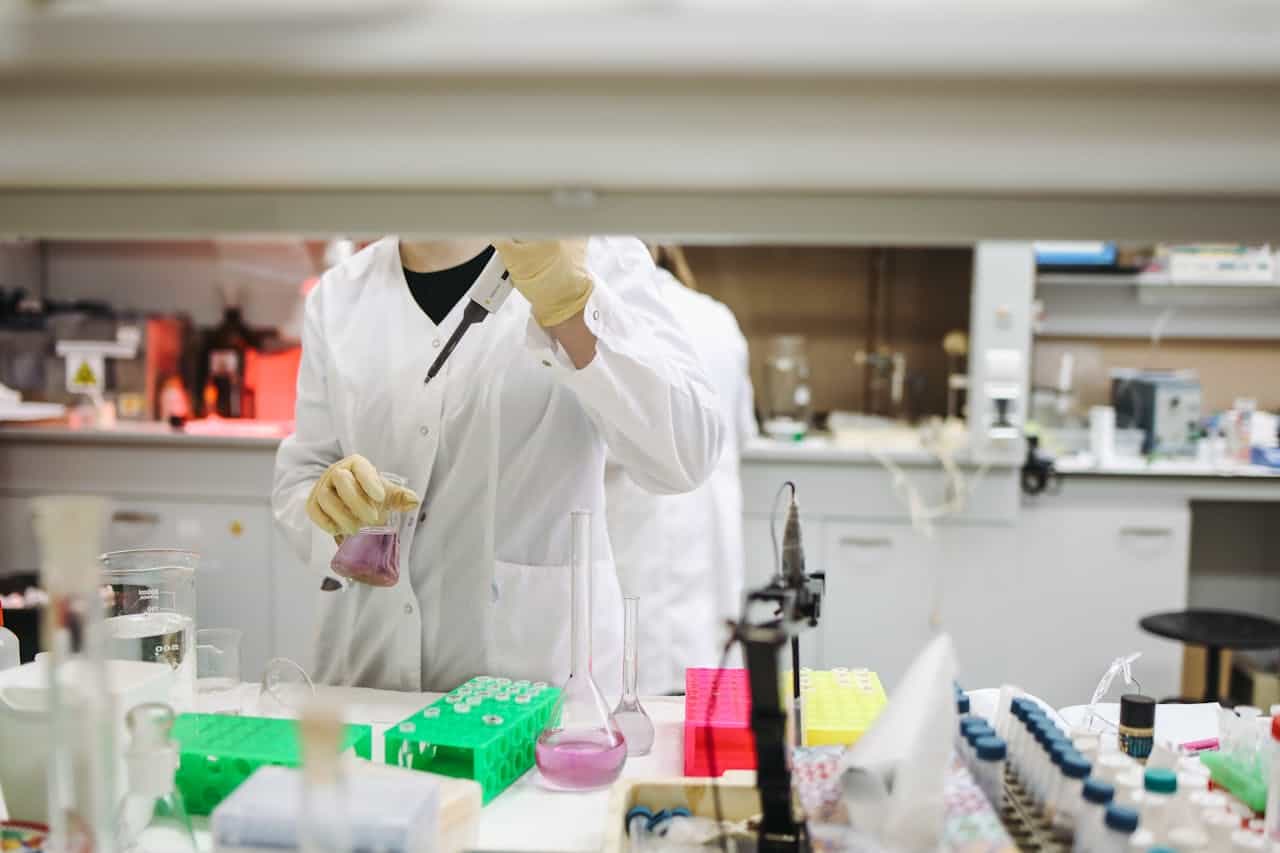

A science course in Oxford for students aged 12 to 16, working across biology, chemistry and physics while developing English.

Explore medicine, biomedical science, genetics, psychology and neuroscience, with a focus on how the human body, brain and health connect.
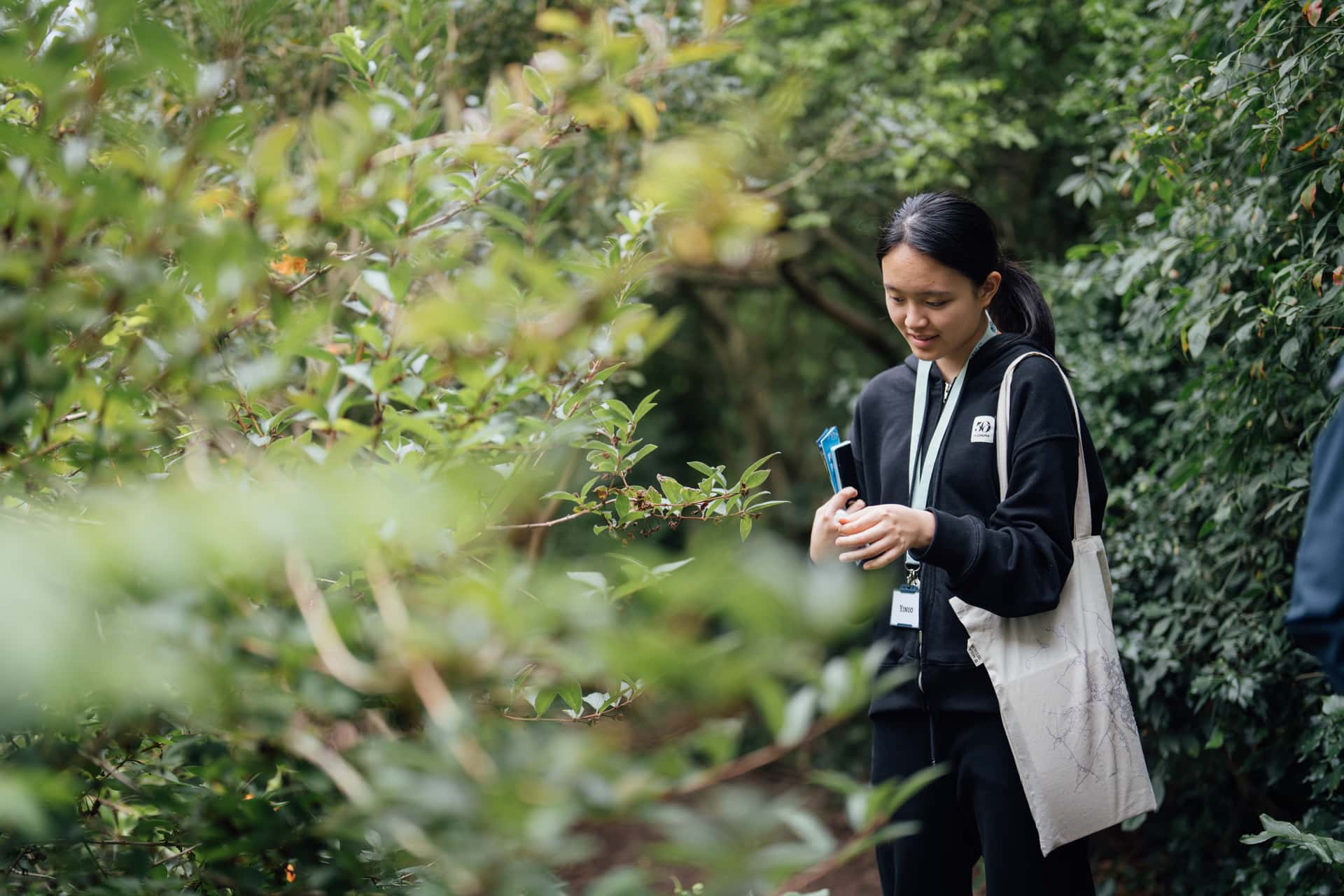

Discover the science behind the human body, health and medicine on an Oxford and Cambridge summer programme for ages 14–15. Explore biology, anatomy and medical science through interactive learning, experiments and real-world investigation.


The Reach Cambridge Biotechnology Course explores academic and practical aspects of this dynamic field, encompassing genetics, drug development, and real-world applications
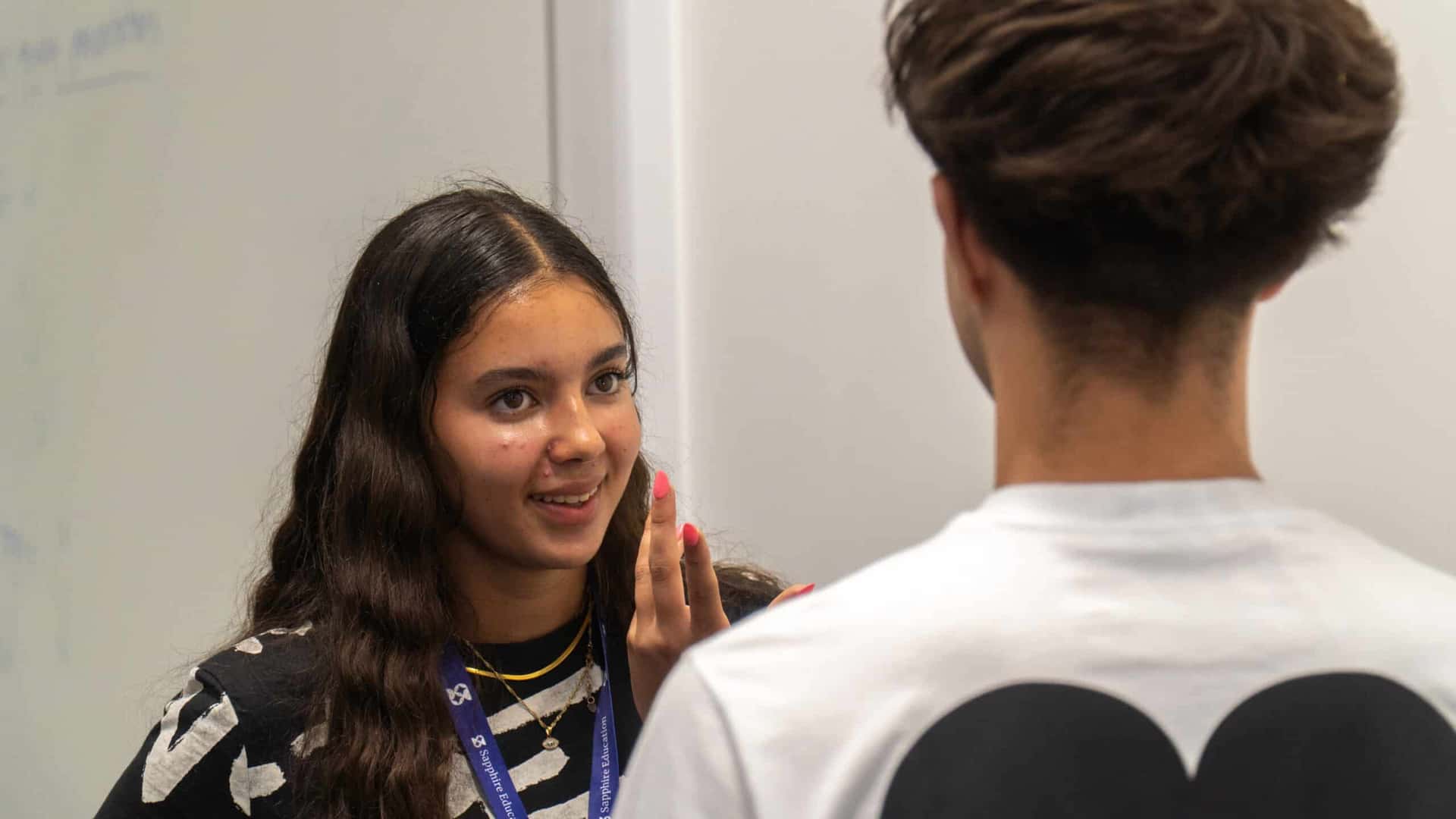

Explore what shapes human health and how science is transforming the future of medicine. This course invites students to delve into anatomy, genetics, and the evolving world of healthcare, uncovering how research, ethics, and innovation come together to improve lives. Perfect for those curious about biology, wellbeing, and the science of care.
