
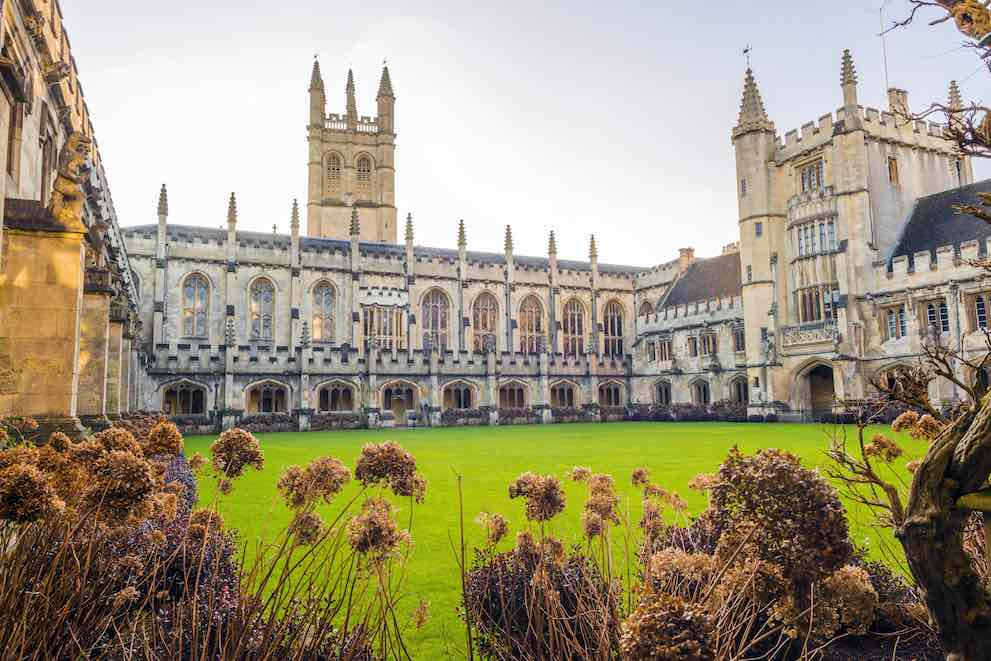
Choose the right SBC campus and course with a practical comparison of 2027 sessions, fees, age groups and learning formats.
Summer Boarding Courses has very different options for an eight-year-old trying a residential camp and a 17-year-old exploring future university subjects. The easiest way to choose is to match the student’s age and goal before comparing venues.
This guide sets out the actual 2027 two-week sessions and shows where English-course fees differ from subject-course fees. Our SBC review explains the broader strengths of the provider; here we focus on the practical shortlist.
SBC dates and residential fees for 2027
These are published two-week residential prices, checked on 25 October 2026. They include accommodation; day-course prices are different. Course-specific eligibility still applies within a campus age range.
| Programme or campus | Ages | Two-week sessions in 2027 | Residential fee |
|---|---|---|---|
| Camp Dragon | 8–12 | 19 July–2 August; 2–16 August | £4,095 |
| Camp Headington | 10–14 | 28 June–12 July; 12–26 July | £4,295 |
| Headington Oxford | 12–16 | 12–26 July; 26 July–9 August | English £4,295; other courses £4,795 |
| SBC at Eton College | 12–16 | 5–19 July; 19 July–2 August | £5,995 |
| Dulwich College | 12–16 overall; individual courses differ | 12–26 July; 26 July–9 August; 9–23 August | English £4,495; other courses £5,495 |
| Earlscliffe | 13–17 overall; individual courses differ | 28 June–12 July; 12–26 July; 26 July–9 August | English £3,595; other courses £4,095 |
| Dukes Cambridge | 14–17 | 28 June–12 July; 12–26 July; 26 July–9 August | English £4,495; subject courses £4,995 |
| Oxford College | 15–17 | 5–19 July; 19 July–2 August | £6,295 |
Source: SBC’s published dates and prices. Selected campuses also offer four-week bookings. Published dates do not guarantee a place remains available.
The fee difference at Headington, Dulwich, Earlscliffe and Cambridge is a course difference, not merely a room upgrade. A lower English-course price should not be used to advertise the cost of a subject course.
Camp Dragon or Camp Headington for a younger child
Choose Camp Dragon for a broad first residential experience. Its younger age range makes it an appealing starting point for families who want their child to gain confidence through a mixture of learning, activity and friendships.
Choose Camp Headington for science and outdoor curiosity. Wild Science gives the programme a particular focus, making it attractive for a child who likes investigating how things work and learning through practical activity.
These programmes start from different points in the summer and have different age bands. Camp Dragon is not a six-year-old residential programme: its residential age range is 8–12. SBC’s separate day camps cover ages 6–12.
Headington Oxford for subject interests and English
Best for a teenager who wants an interest to make communication purposeful.
Headington Oxford combines a school-campus summer with English or subject-themed choices. A student interested in medicine may enjoy Future Doctors, while another may prefer science, art, entrepreneurship or global issues. The English Adventures route is the more direct fit when language development is the principal goal.
This is a different site and age range from Camp Headington. A child moving from the younger programme to the older one is also moving into a different learning format, not just changing their accommodation.
Eton or Dulwich for an active teenage summer
Eton is best for teamwork and simulated leadership decisions. Global Leaders Simulation gives students a reason to negotiate, make a choice and explain the outcome. It is an attractive format for someone who learns by doing and discussing.
Dulwich is best for a London-based programme with a clear practical interest. The current choice includes English Adventures, Career Discovery and QPR Pro Football Experience. Career Discovery specifies ages 12–14; it should not be assumed to cover every teenager eligible for the campus. The English and football options have their own requirements.
Eton’s summer programme is co-educational. Its school-year admissions arrangements do not describe who can attend SBC’s summer course.
Eton programme. Dulwich programmes.
Earlscliffe for global interests and business
Best for a student who prefers a coastal boarding-school setting and an outward-looking subject.
Earlscliffe is in Folkestone, Kent. Think Global, Global Leadership and Mini-MBA provide different entry points into international questions, communication and business. The catalogue’s course ages are 13–17, 14–17 and 15–17 respectively.
We would choose it for a student whose interest is already clear enough to favour one of those routes. It also makes a useful comparison for a family considering Oxford mainly because it is the destination they know best: a better subject fit elsewhere can be the better decision.
Earlscliffe programme details.
Dukes Cambridge or Oxford College for academic preparation
Dukes Cambridge is best for subject study alongside academic English. Students learn at Sancton Wood School and stay at Tripos Court, rather than a Cambridge university college. Its 20 weekly teaching hours and maximum class size of 15 provide an organised setting for asking questions, collaborating and explaining ideas in English.
Oxford College is best for older teenagers seeking broader academic exploration. Its Future Scholars routes in Humanities and Sciences suit students who want to develop their interests alongside a residential Oxford experience. The published programme has 25 teaching hours per week.
Both can help a student explore future study, but participation is not a university admission or an admissions guarantee. Choose between the academic format and setting rather than assuming Oxford and Cambridge are the same product.
Dukes Cambridge. Oxford College.
What to include in the family budget
For residential programmes, SBC lists tuition, accommodation, meals, standard activities and excursions, course materials, reports and certification among its inclusions. Transfers and optional extras can cost more. Flights remain a separate part of the trip.
A day programme has no overnight accommodation. It therefore needs to be compared with the cost of staying elsewhere and the daily arrangements for getting to and from the campus. A family already based nearby may find day attendance useful; it is not the same package as a residential stay.
Read the chosen course’s English requirement and the booking terms before paying. For travel permission, use our 2027 visa and ETA guide and confirm the course-specific documents with SBC.
Make a shortlist the student will enjoy
Start with two options rather than every campus. For a younger child, compare Dragon and Camp Headington. For English through a subject, compare Headington Oxford and Dukes Cambridge at the appropriate ages. For an older teenager, compare the actual subject routes at Earlscliffe, Cambridge and Oxford College.
The strongest choice is the one where the student’s age, confidence, English and interests all match the programme. A well-chosen fortnight should feel both manageable and exciting.